Category: Microbiome

  • The Gut is a Zen Universe – and the Vagus Nerve is the Inner Bridge

    Modern science is beginning to echo what ancient systems have long understood. At the center of this conversation is the vagus nerve—a powerful communication pathway linking the brain and the digestive system. When this connection is strong and harmonious, digestion improves, inflammation decreases, and the body shifts into a state of healing. When it is disrupted, we often see the opposite: bloating, discomfort, anxiety, and chronic imbalance.

    The Gut is a Zen universe: responsive, intelligent, and always seeking equilibrium. It likes to be in the middle.

    In Chinese medicine, the Earth element is in the middle of the 5 elements. The Spleen is an earth element organ and can be used to represent the whole digestive system. When the Spleen is out of balance, worry tends to arise. When there is worry, the Spleen will likely become unbalanced. Since ancient times, it has been known that the digestion affects the mind and the mind affects the digestion.  

    The Vagus Nerve: Your Inner Bridge

    The vagus nerve is a key component of the parasympathetic nervous system—often called the “rest and digest” system. It carries signals between the brain and the gut, influencing everything from stomach acid production to motility and even the composition of the microbiome.

    But here’s the important part: the vagus nerve functions best when the body feels safe.

    In a world that constantly pulls us into stress and urgency, many people spend most of their time in a sympathetic (“fight or flight”) state. In this mode, digestion is deprioritized. Blood flow shifts away from the gut, enzyme production decreases, and the delicate rhythm of digestion becomes disrupted.

    Returning to center—back to that Zen “middle”—is essential for restoring gut health.

    Relaxation as Medicine

    Because the vagus nerve thrives in a state of calm, relaxation is not a luxury—it’s a therapeutic necessity.

    There are many ways to gently activate and support the vagus nerve:

    • Meditation and mindful breathing help slow the heart rate and signal safety to the nervous system
    • Listening to calming music can shift brainwave patterns and reduce stress responses
    • Acupuncture works directly with the nervous system, helping to rebalance and regulate the vagal nerve. I have some favorite treatments that you may have already experienced.
    • Massage therapy encourages relaxation and improves circulation
    • Chinese herbal medicine supports internal harmony and digestive function at a deeper level

    These practices don’t just “feel good”—they create measurable changes in how the body functions.

    Simple Ways to Stimulate the Vagus Nerve

    In addition to relaxation, certain daily habits can gently stimulate the vagus nerve and support digestion:

    • Bitter flavors (like arugula, dandelion, and digestive bitters) help trigger digestive secretions. I’ve been using bitters before meals to aid digestions. Here’s my fav:
      BETTER BITTERS
    • Chewing thoroughly signals the body to prepare for digestion and reduces strain on the gut
    • Slow, mindful eating reinforces the “rest and digest” state
    • Singing or gargling (with gusto) activate muscles connected to the vagus nerve and can improve its tone

    These small, consistent actions can have a profound cumulative effect.

    I have learned some of these vagus nerve “life hacks” from Dr. Cheryl Karthaus ND, who I highly recommend. She and I have been geeking out on the results from my and my son’s Biome Fx results.

    Check out Cheryl’s website here.

    Returning to the Middle

    In both Eastern and Western perspectives, the message is clear: the gut functions best when the body is not pushed to extremes. It thrives in a state of balance, rhythm, and calm awareness.

    When we nourish the vagus nerve—through relaxation, mindful habits, and supportive therapies—we help the body return to its natural center. From this place, healing becomes not only possible, but sustainable.

    A Deeper Reset
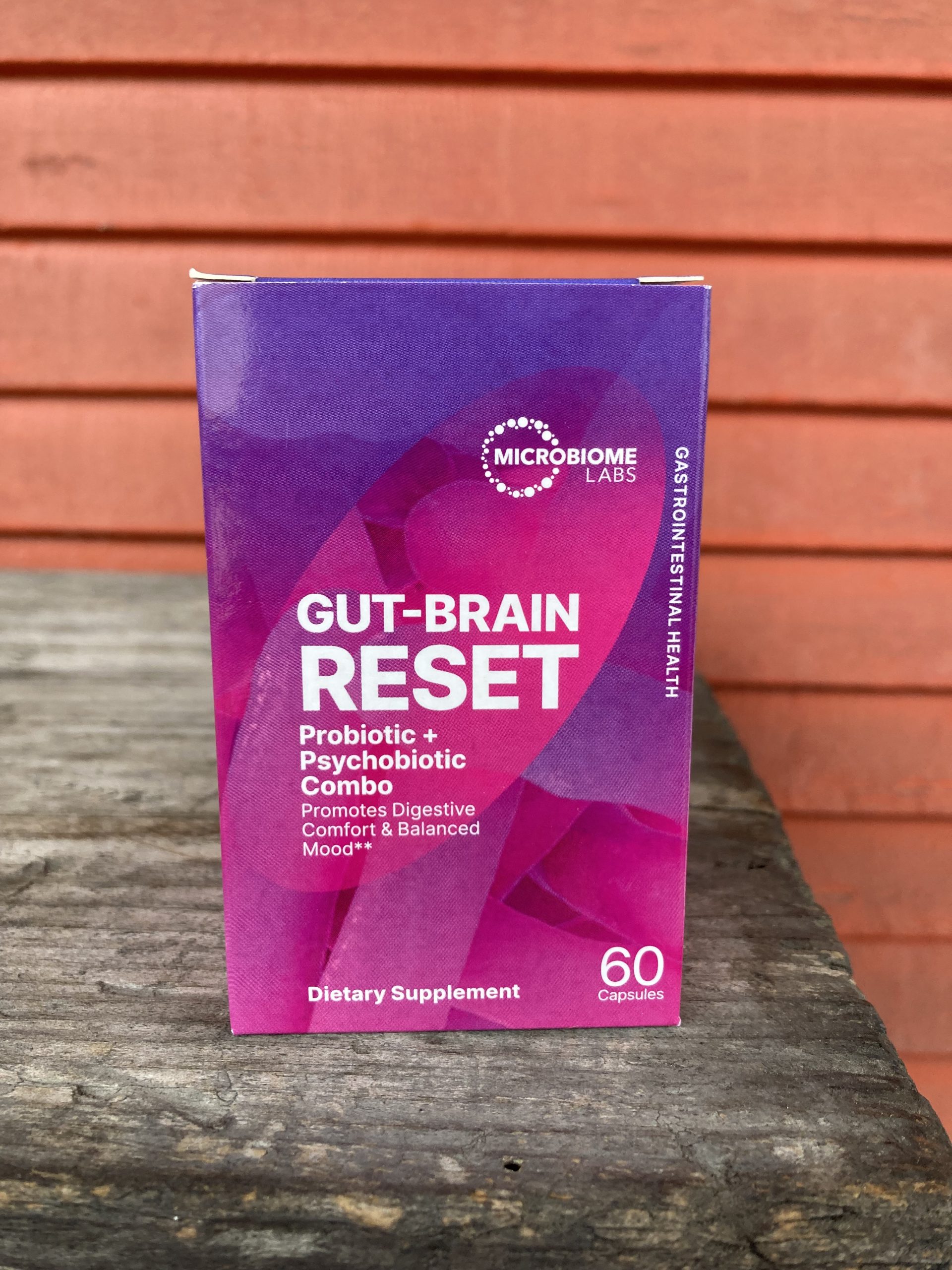
    For patients looking to support the gut-brain connection more directly, we often recommend Microbiome Labs Gut-Brain Reset, a targeted probiotic supplement designed to nourish both digestive function and emotional balance. (See a more detailed post here.)

    This formula combines two specific strains of Bifidobacterium longum that have been studied for their ability to support the gut-brain axis—helping to ease occasional digestive discomfort while also promoting a more resilient stress response and balanced mood.

    Rather than acting as a short-term “reset,” this supplement works gently over time to support microbial balance, digestive regularity, and communication between the gut and nervous system.

    When used alongside acupuncture, mindful eating, and nervous system regulation practices, it can be a valuable tool in helping the body return to its natural center—where both digestion and calm awareness can thrive.

    The gut, like a Zen garden, does not need force—it needs attention, rhythm, and balance. When we learn to meet it in the middle, it responds with clarity, resilience, and ease.
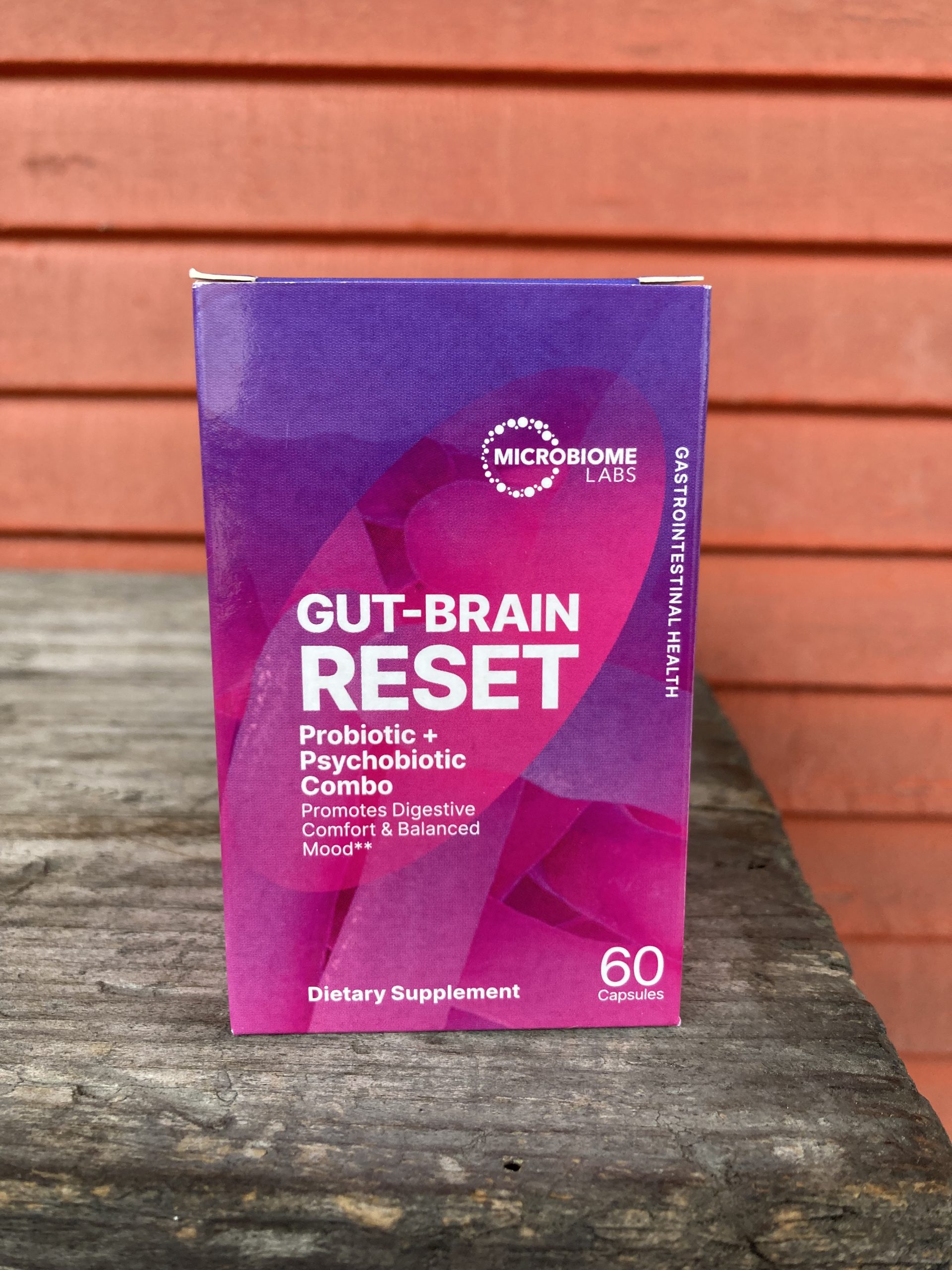
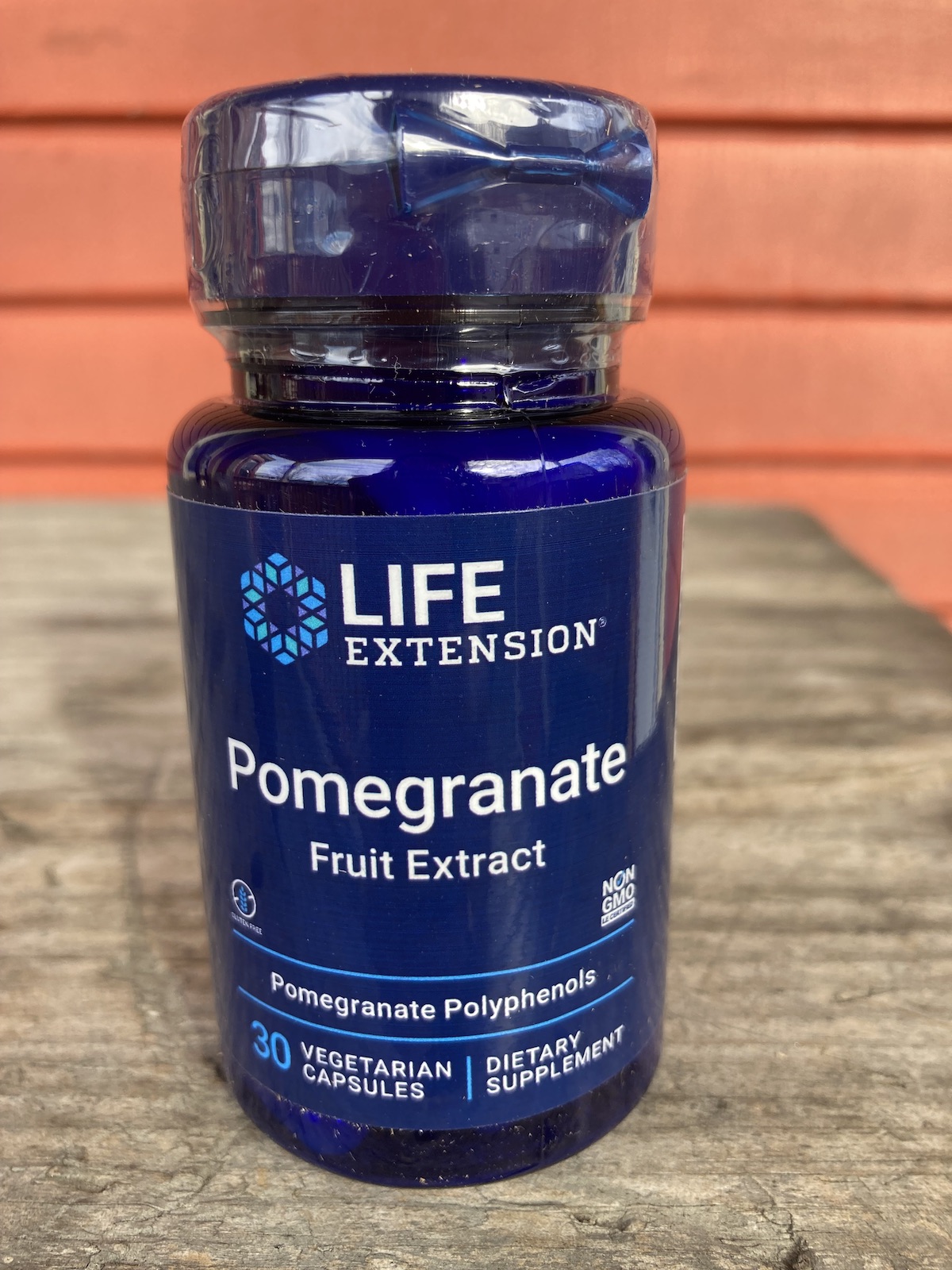
  • Gut-Brain Reset by Microbiome Labs

    In both modern research and Traditional Chinese Medicine, the connection between digestion and emotional health is well recognized. In TCM, the Spleen and Stomach play a central role not only in digestion, but also in supporting mental clarity and emotional balance.

    Microbiome Labs’ Gut-Brain Reset (formerly Zenbiome Dual) is a targeted probiotic designed to support both digestive comfort and mood regulation through the gut-brain axis. This dual approach reflects how closely the gut and nervous system communicate.

    The formula features two researched strains—Bifidobacterium longum 1714 and 35624—chosen for their ability to support gastrointestinal function while also promoting a balanced stress response.

    Clinically, this may help support:

    • Digestive comfort and regularity
    • Healthy gut-brain communication
    • Mood self-regulation

    From a TCM perspective, this kind of support can be useful in patterns such as Spleen Qi deficiency or Liver overacting on the Spleen, where both digestion and emotional balance are affected.

  • Pomegranate Extract

    Pomegranate is one of several foods rich in polyphenols—plant compounds that act as antioxidants and have anti-inflammatory properties. Polyphenols help protect the body from oxidative stress and chronic disease. They may support heart and brain health and contribute to better blood sugar control. Some chronic diseases linked to oxidative stress include cancer, autoimmune diseases, and heart disease. Aging skin is also partly caused by oxidative stress.

    Polyphenols work by supporting the microbiome, regulating inflammation, reducing oxidative stress, and promoting brain health. Through these processes, they help train the body to become more resilient.

    Pomegranate polyphenols benefit metabolic health by stimulating the growth of Akkermansia muciniphila, a beneficial bacteria that lives in the gut. Akkermansia plays a vital role in gut health and gut barrier integrity. Higher levels of Akkermansia have been linked to lower levels of obesity and inflammation, and better blood glucose balance. This may be useful for those with chronic diseases such as cancer, metabolic syndrome, and diabetes.

    This is why we now carry Pomegranate Extract by Life Extension in the office. All of us experience oxidative stress as part of living in a stressful world with exposure to environmental toxins. Our bodies can manage some of that stress, but we also benefit from support. Supplementing with pomegranate extract can make it easier to incorporate these beneficial compounds into our daily lives.

  • The Gut MicroBiome – Akkermansia muciniphila

    Akkermanisa has a very important role in the health of the lining of your gut, which serves to regulate what gets absorbed into your bloodstream, and what leaves as waste.

    Akkermansia muciniphila strengthens the gut barrier (the mucosal lining of the intestines) by keeping it in balance, which reduces inflammation, improves metabolism, and supports blood sugar control. It breaks down excess and poor quality mucus. Imbalanced levels of Akkermansia can lead to body-wide chronic inflammation and increased intestinal permeability – aka leaky gut – which, due to a breakdown in the intestinal lining, allows toxins and pathogen to pass into the bloodstream and cause problems.

    Low levels of Akkermansia can cause systemic inflammation; digestive symptoms such as indigestion, bloating, abdominal pain, and food sensitivities; metabolic issues (insulin resistance and diabetes); and is suspected of being the main cause of osteoarthritis. I have also read about a link between low levels of Akkermansia and cancer.

    High levels of Akkermansia (specifically when out of balance with other beneficial gut microbes) leave the gut lining in bad shape because the Akkermansia eat too much of the mucus barrier so there is not enough protection for the intestinal lining. This exposes the delicate intestinal cells and triggers the dendritic cells that serve as sentinels for the immune system. This can also lead to increased inflammation, can create abdominal rawness, appetite issues and discomfort, can aggravate colitis symptoms (abdominal pain, diarrhea) and worsened outcomes in colorectal cancers.

    High levels of Akkermansia are less common than cases of low levels of Akkermansia, but testing before supplementing (using a test such as the BiomeFX stool test) is important to ensure proper support. Akkermansia is currently the subject of much research, and one of the ways to support the microbiome is to eat a diet rich in a variety of plant foods. This helps bring the body back into balance, regardless of high or low levels of Akkermansia. Polyphenols, compounds found in berries, pomegranate, green tea, apples, and nuts, has been found to be particularly helpful in increasing levels of Akkermansia.

    Pomegranate extract is an easy way to get these polyphenols and is often recommended for those experiencing low levels of Akkermansia. We carry Pomegranate Extract from Life Extension in the office for those who would benefit!

  • Keystone species are key to gut health

    Last summer we posted a couple articles about the microbiome and Biome Rx, a stool test offered by Microbiome Labs. Stool tests can be useful for evaluating the state of our individual gut microbiome, and the Biome Rx stool test specifically analyzes:

    • Keystone species
    • Dysbiosis ratios and pathogens
    • Bile salts (bile acids)

    Keystone Species

    A Keystone species is a species that exerts a large, stabilizing influence throughout an ecological community, despite its relatively small numerical abundance.

    In the context of the microbiome, keystone species are those that play a crucial role in maintaining the balance and health of the gut ecosystem. These key microbes help regulate microbial diversity, support gut barrier function, and contribute to important metabolic processes, which are essential for overall health. When out of balance, important digestive functions are compromised and inflammatory conditions result.

    Dysbiosis Ratios

    A diverse microbiome is a healthy microbiome and includes bacteria, protists, and fungi. Many things can negatively impact the diversity of our microbiome, the most common being antibiotic usage, poor diet (especially those high in ultra-processed foods and low in fruits and vegetables), lack of sleep, high stress levels, and a sedentary lifestyle.

    Dysbiosis ratios refer to the balance of different types of microorganisms in the gut microbiome. An imbalance, indicated by a higher ratio of harmful bacteria (pathogens) to beneficial ones, can lead to various health issues, including digestive problems and inflammation, the root of a whole host of chronic illnesses.

    Bile Salts

    Measuring bile salts (acids) is essential for assessing gut microbiome function, diagnosing digestive disorders, and evaluating metabolic health. They act as crucial signaling molecules that regulate metabolism, control gut microbial composition, and influence gut motility, with high levels often indicating diarrhea and low levels indicating constipation.

    In our next article, we’ll talk about leaky gut and its connection to the microbiome and our health, and my personal experience with Biome Fx.

    If you are interested in some research about this topic, you can check out these two articles:

  • HU58 & MegaSporeBiotic

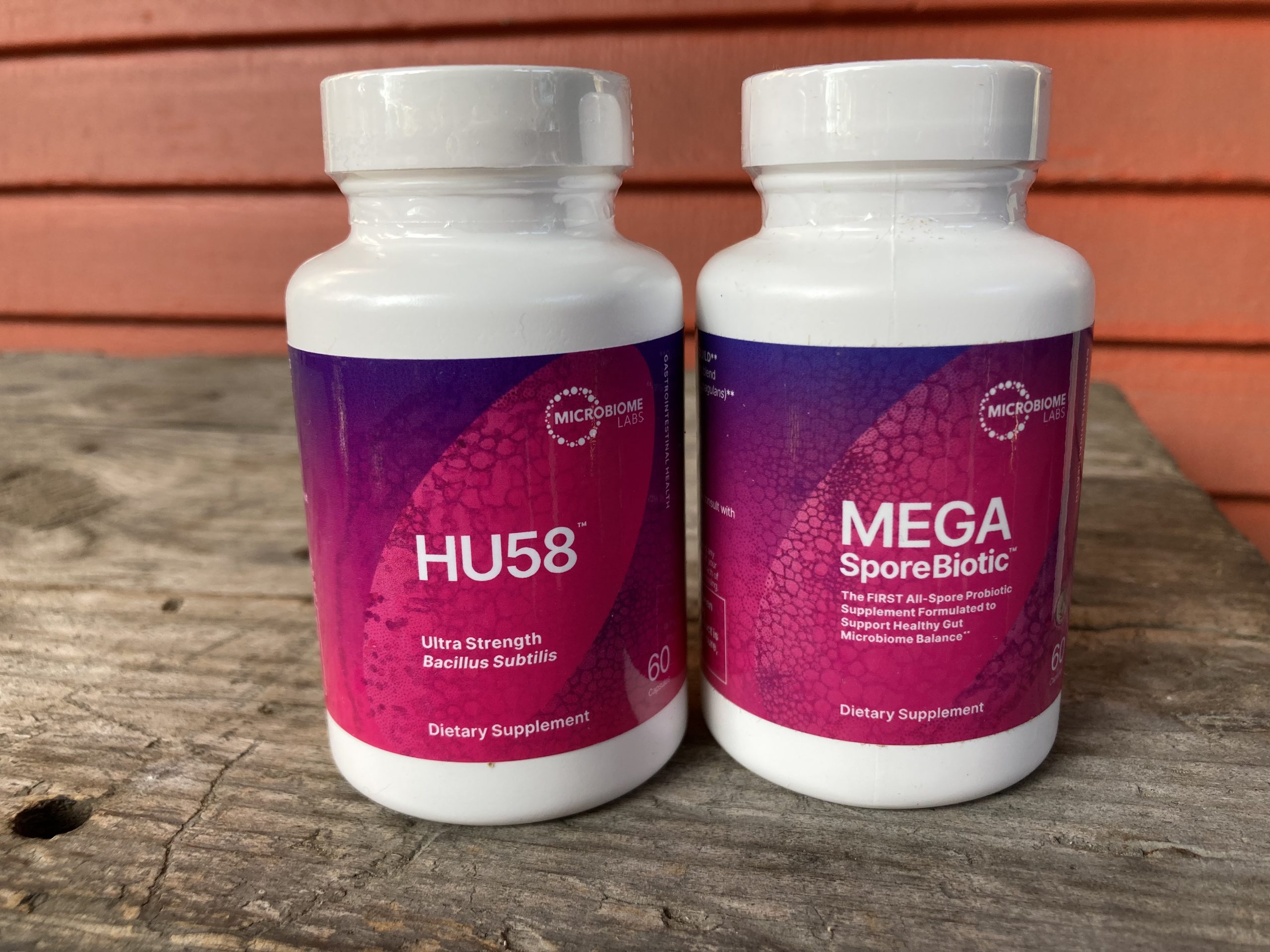
    Here are a couple Microbiome Labs probiotic products that I carry in my office: HU58 and MegaSporeBiotic. MegaSpore is Microbiome Labs’ flagship product and HU58 is its little sister. I love this company’s top of the line products.

    HU58 is a single-strain probiotic with a concentrated dose of Bacillus subtilis HU58, formulated to support healthy immune function and maintain a healthy balance of intestinal microflora. It is a good probiotic to use in cases of gut infections and elevated ammonia levels. This product is gentler than many other more diverse probiotic supplements and is well tolerated by many people. It’s a good place to begin to restore the gut microbiome and then move to MegaSporeBiotic

    MegaSporeBiotic is a probiotic blend of 5 Bacillus spores that have been shown to maintain healthy gut barrier and immune function:

    • Bacillus Licheniformis – Produces proteases that aid protein digestion, Produces full spectrum of B vitamins
    • Bacillus Indicus HU36 – Produces carotenoids: lycopene, astaxanthin, beta-carotene, and lutein, Produces quinols and vitamins
    • Bacillus Subtilis HU58 – Produces nattokinase and vitamin K2, Supports healthy GALT development
    • Bacillus Clausii – Supports immune function
    • Bacillus Coagulans – Produces L+ optical form of lactic acid, Supports immune function

    The function of these strains of bacillus is to shift the pH of the gut and crowd out pathogenic bacteria to create space for keystone species.

    Both of these products are spore based. The bi-phasic life cycle of the Bacillus spores allows them to remain dormant in harsh environments such as the stomach until they reach more favorable environments like the human gastrointestinal tract.

    Once inside the large intestine, these dormant spores can change into their active, vegetative forms and begin colonizing in the gut. MegaSporeBiotic aims to RECONDITION the gut instead of reseeding with probiotic strains that cannot survive digestion or colonize the gut.

  • Stool Testing with BiomeFx

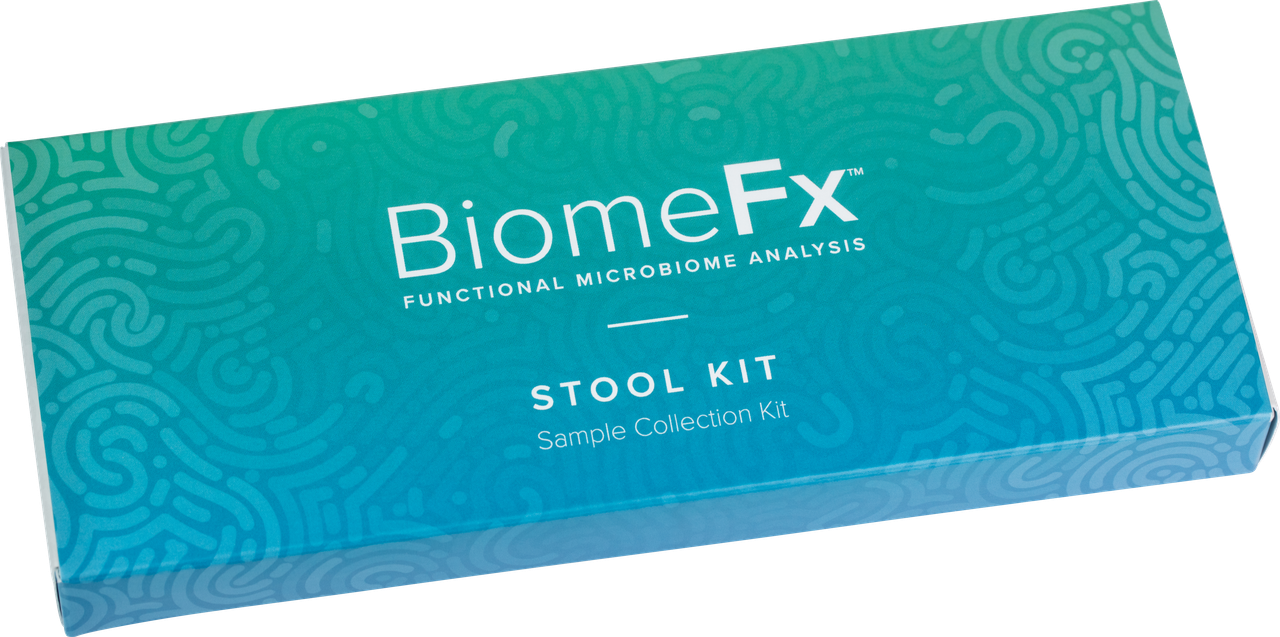
    As we’ve been talking about the microbiome, you might be thinking, “how do I know what’s going on in MY gut?” Stool testing is the primary way to analyze the community in your system, and BiomeFx is the testing lab that I use in my office.

    BiomeFx is a convenient at-home stool test AND a comprehensive microbiome health assessment tool. It provides us with precise and detailed information about your microbiome’s health, composition, and activities. BiomeFx identifies which microorganisms are in your gut, which are missing, and how their presence (or lack thereof) affects your gut microbiome’s overall health and function. Using BiomeFx test results, we can design a personalized treatment plan that includes diet, lifestyle, and supplement recommendations to restore balance in your gut microbiome and enhance your overall health.

    Exposure to specific risk factors can promote an unhealthy balance in your gut microbiome. These include:

    • Recent or frequent antibiotic use
    • Natural antimicrobials, including herbal formulas
    • Special or limited diet
    • Low fiber diet
    • Highly processed food diet
    • Foods and beverages containing artificial sweeteners
    • Stress
    • Poor sleep issues
    • Environmental toxin exposure
    • Smoking
    • Intense athletic training
    • Excessive alcohol use

    If you have experienced any of these and have concerns about how this may impact the health of your microbiome, and your health in general, talk to me about getting this test done.

  • Microbiome 101

    We’ve been hearing a lot in the media about the microbiome, but what is it and why is it so important?

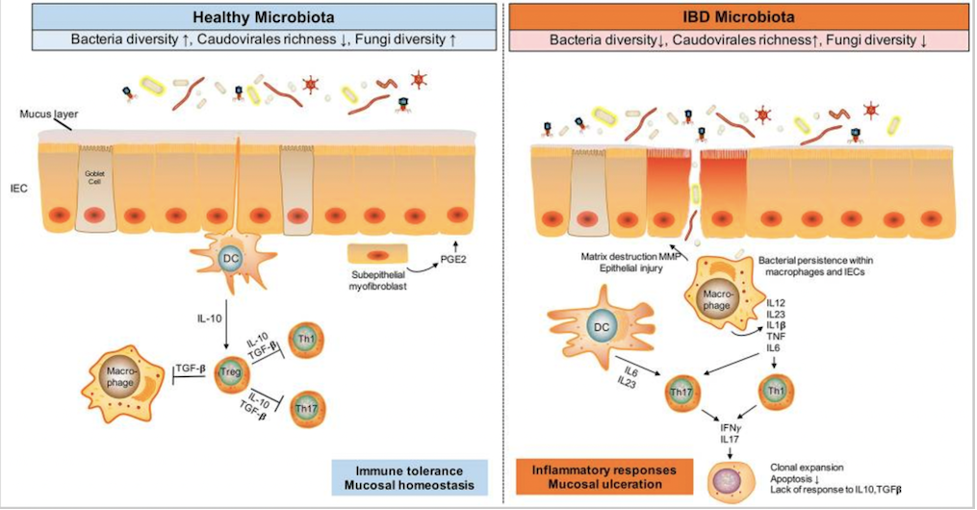
    The microbiome is the general term for all of the microscopic organisms: bacteria, viruses, fungi, yeasts, etc; that live in and on the human body. Most often when people are talking about the microbiome, they’re referring to the organisms that live in the gut, but we have different microbiomes on the skin, in the mouth, in the lungs, and in the urogenital tract. The gut microbiome is, however, the most densely populated and best studied.

    Why it matters: For years there was a trend to think that all microbes were bad, and to be truly healthy we needed our bodies to be as clean as possible. This is when all of the antibacterial hand soaps, gels, and cleaning products became popular. But as we got cleaner, we saw a rise in illnesses such as allergies, asthma, and autoimmune conditions. The Hygiene Hypothesis suggests that our exposure to microbes early in life is important to the proper development of the immune system and research has shown that the more diverse our microbiome, the healthier we are!

    In addition to helping us build a healthy immune system, a diverse and thriving microbiome helps to digest foods that our bodies can’t break down and turn them into nutrients, especially B vitamins and vitamin K, and short-chain fatty acids. (We’ll write about those in the future.) They protect us from harmful microbes by acting as a sort of internal police force. And they play an important role in mood and brain function (also referred to as the gut-brain axis). An imbalance in the gut microbiome can be linked to issues such as obesity, autoimmune diseases, allergies, and mental health conditions.

    Now that we know what the microbiome is and what it does, how to we help it to be healthy? There are several things that influence our microbiome development and ongoing health. We inherit our microbes from our mother when we are born, so it’s important to make sure that babies born via C-section get this exposure. Antibiotics should be avoided except when truly necessary because these can indiscriminately kill the bacteria in our bodies, creating imbalance. To strengthen and diversify our microbiome, it’s important to eat a variety of plant foods and avoid excessive amounts of processed foods. Environment and lifestyle also affect our microbiome as stress and pollutants can negatively impact our critters.

    When our microbiome has been depleted because of these factors, good ways to help build them back up is to eat lots of fermented foods like kimchee, lacto-fermented pickles, and yogurt, increase our intake of plant foods including veggies, fruits, herbs and spices, and, if necessary, take probiotics and prebiotics. We are now carrying two probiotic products from Microbiome Labs: HU58 and MegaSporeBiotic. Ask us which one is right for you!