Category: Traditional East Asian Medicine

  • The Gut is a Zen Universe – and the Vagus Nerve is the Inner Bridge

    Modern science is beginning to echo what ancient systems have long understood. At the center of this conversation is the vagus nerve—a powerful communication pathway linking the brain and the digestive system. When this connection is strong and harmonious, digestion improves, inflammation decreases, and the body shifts into a state of healing. When it is disrupted, we often see the opposite: bloating, discomfort, anxiety, and chronic imbalance.

    The Gut is a Zen universe: responsive, intelligent, and always seeking equilibrium. It likes to be in the middle.

    In Chinese medicine, the Earth element is in the middle of the 5 elements. The Spleen is an earth element organ and can be used to represent the whole digestive system. When the Spleen is out of balance, worry tends to arise. When there is worry, the Spleen will likely become unbalanced. Since ancient times, it has been known that the digestion affects the mind and the mind affects the digestion.  

    The Vagus Nerve: Your Inner Bridge

    The vagus nerve is a key component of the parasympathetic nervous system—often called the “rest and digest” system. It carries signals between the brain and the gut, influencing everything from stomach acid production to motility and even the composition of the microbiome.

    But here’s the important part: the vagus nerve functions best when the body feels safe.

    In a world that constantly pulls us into stress and urgency, many people spend most of their time in a sympathetic (“fight or flight”) state. In this mode, digestion is deprioritized. Blood flow shifts away from the gut, enzyme production decreases, and the delicate rhythm of digestion becomes disrupted.

    Returning to center—back to that Zen “middle”—is essential for restoring gut health.

    Relaxation as Medicine

    Because the vagus nerve thrives in a state of calm, relaxation is not a luxury—it’s a therapeutic necessity.

    There are many ways to gently activate and support the vagus nerve:

    • Meditation and mindful breathing help slow the heart rate and signal safety to the nervous system
    • Listening to calming music can shift brainwave patterns and reduce stress responses
    • Acupuncture works directly with the nervous system, helping to rebalance and regulate the vagal nerve. I have some favorite treatments that you may have already experienced.
    • Massage therapy encourages relaxation and improves circulation
    • Chinese herbal medicine supports internal harmony and digestive function at a deeper level

    These practices don’t just “feel good”—they create measurable changes in how the body functions.

    Simple Ways to Stimulate the Vagus Nerve

    In addition to relaxation, certain daily habits can gently stimulate the vagus nerve and support digestion:

    • Bitter flavors (like arugula, dandelion, and digestive bitters) help trigger digestive secretions. I’ve been using bitters before meals to aid digestions. Here’s my fav:
      BETTER BITTERS
    • Chewing thoroughly signals the body to prepare for digestion and reduces strain on the gut
    • Slow, mindful eating reinforces the “rest and digest” state
    • Singing or gargling (with gusto) activate muscles connected to the vagus nerve and can improve its tone

    These small, consistent actions can have a profound cumulative effect.

    I have learned some of these vagus nerve “life hacks” from Dr. Cheryl Karthaus ND, who I highly recommend. She and I have been geeking out on the results from my and my son’s Biome Fx results.

    Check out Cheryl’s website here.

    Returning to the Middle

    In both Eastern and Western perspectives, the message is clear: the gut functions best when the body is not pushed to extremes. It thrives in a state of balance, rhythm, and calm awareness.

    When we nourish the vagus nerve—through relaxation, mindful habits, and supportive therapies—we help the body return to its natural center. From this place, healing becomes not only possible, but sustainable.

    A Deeper Reset
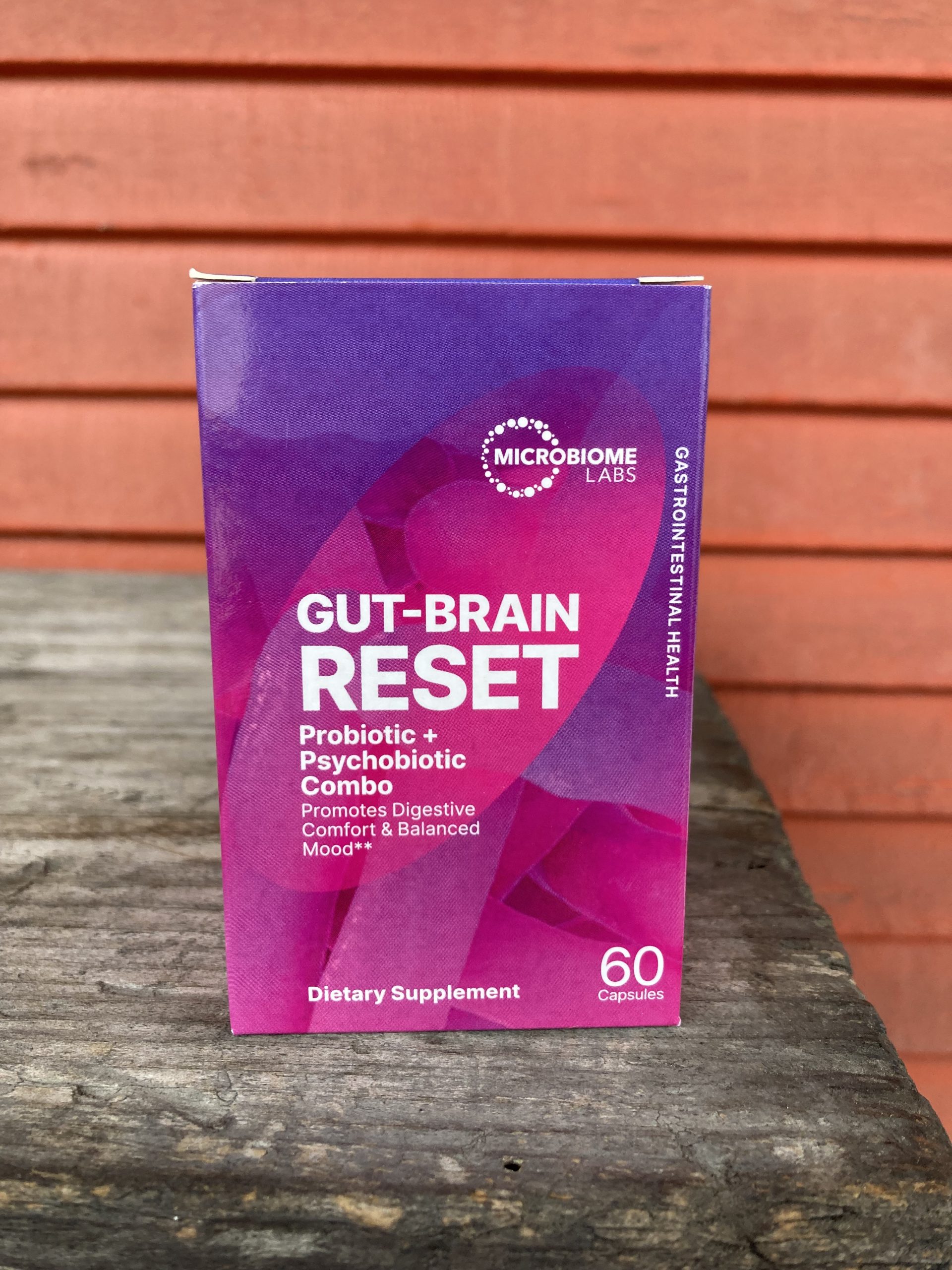
    For patients looking to support the gut-brain connection more directly, we often recommend Microbiome Labs Gut-Brain Reset, a targeted probiotic supplement designed to nourish both digestive function and emotional balance. (See a more detailed post here.)

    This formula combines two specific strains of Bifidobacterium longum that have been studied for their ability to support the gut-brain axis—helping to ease occasional digestive discomfort while also promoting a more resilient stress response and balanced mood.

    Rather than acting as a short-term “reset,” this supplement works gently over time to support microbial balance, digestive regularity, and communication between the gut and nervous system.

    When used alongside acupuncture, mindful eating, and nervous system regulation practices, it can be a valuable tool in helping the body return to its natural center—where both digestion and calm awareness can thrive.

    The gut, like a Zen garden, does not need force—it needs attention, rhythm, and balance. When we learn to meet it in the middle, it responds with clarity, resilience, and ease.
  • Fire Element and Year of the Yang Fire Horse

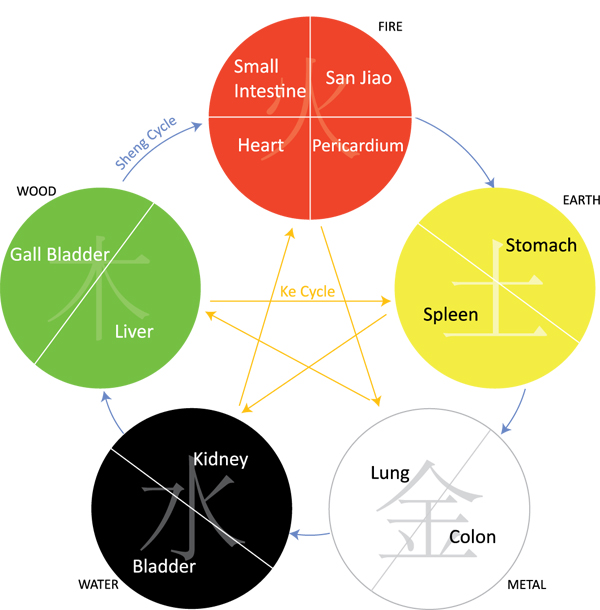
    In Chinese medicine, the fire element is generally associated with the Heart, but there are actually 4 organs/channels associated with the fire element. All the other elements – earth, metal, water and wood – have two channels, one yin and one yang, but in the fire element it is doubled.

    Heart is yin fire and is paired with Small Intestine, yang fire.

    Pericardium is yin fire and is paired with San Jiao (Triple Burner), yang fire.

    So far this horse year I have been drawn to doing quite a few Korean style acupuncture yang fire treatments, Small Intestine and San Jiao channel, which have been well received. Responses have included deep relaxation, relief of pain.

    Small intestine is associated with dynamic motion – hot and cold, fire and water. When this is deficient qi and blood can get stuck – pain, especially sacrum and neck pain, muscles spasms or stiffness, visible varicose or spider veins and non-physical stuck stuff. Small intestine channel treatments can have results that include moving qi and blood stasis, unblocking stuckness, less pain and letting go of some layers of old trauma.

    San Jiao (Triple Burner) is associated with brightness, attention to external detail and openness. Treating this channel can help lighten and brighten up your qi. The image of this channel is the high desert – bright, sunny, dry, warm. It can balance cold dark Vermont days.

  • Beautiful and medicinal peonies

    Peony root is commonly used in Chinese herbal medicine. We use white and red peony, and also the outer bark of the tree peony.

    Classically red and white peony were not differentiated; it wasn’t until the sixth century that their distinct therapeutic actions were recognized. Read on to learn more about the different varies we use medicinally.

    I’m pretty much obsessed with peonies. I had a bouquet of lovely pink peonies at my wedding 18 years ago. My anniversary is next week!

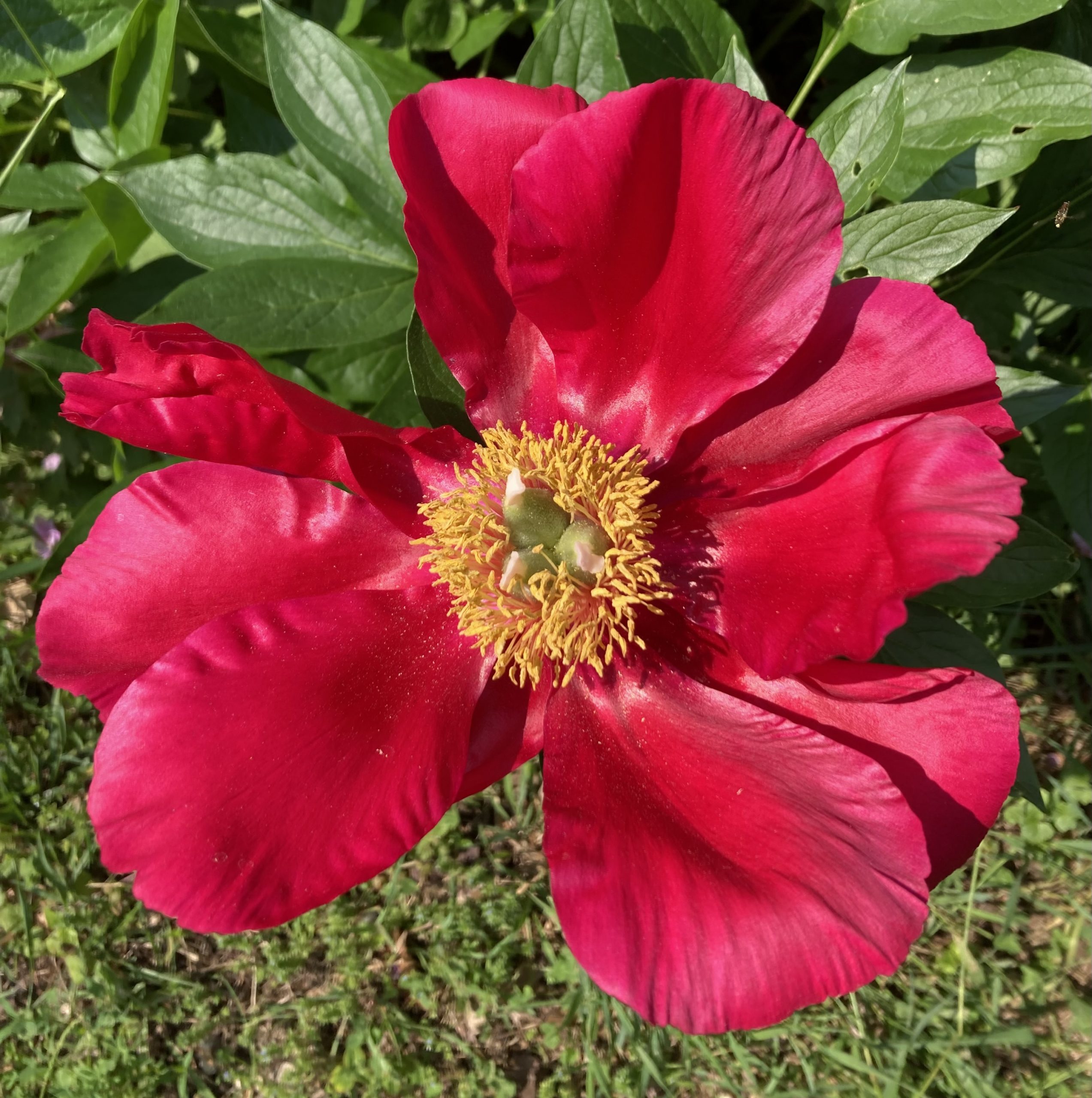
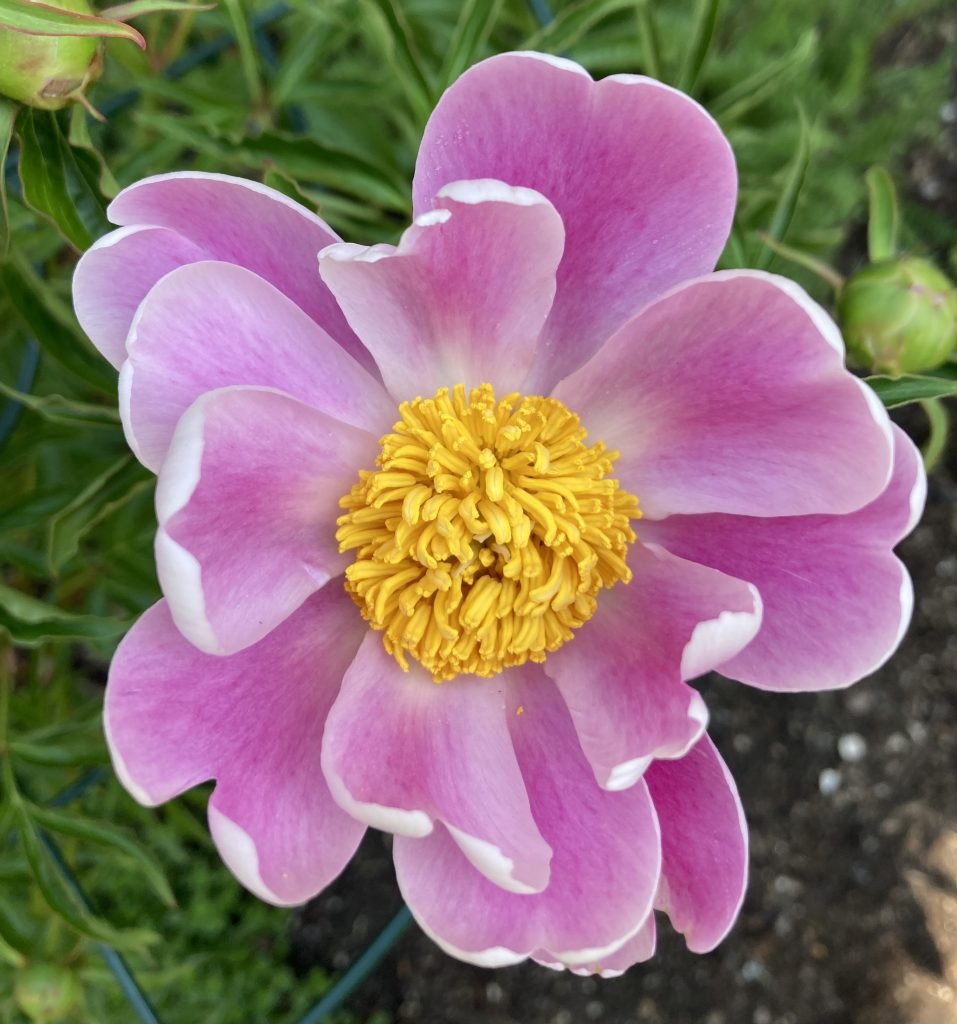
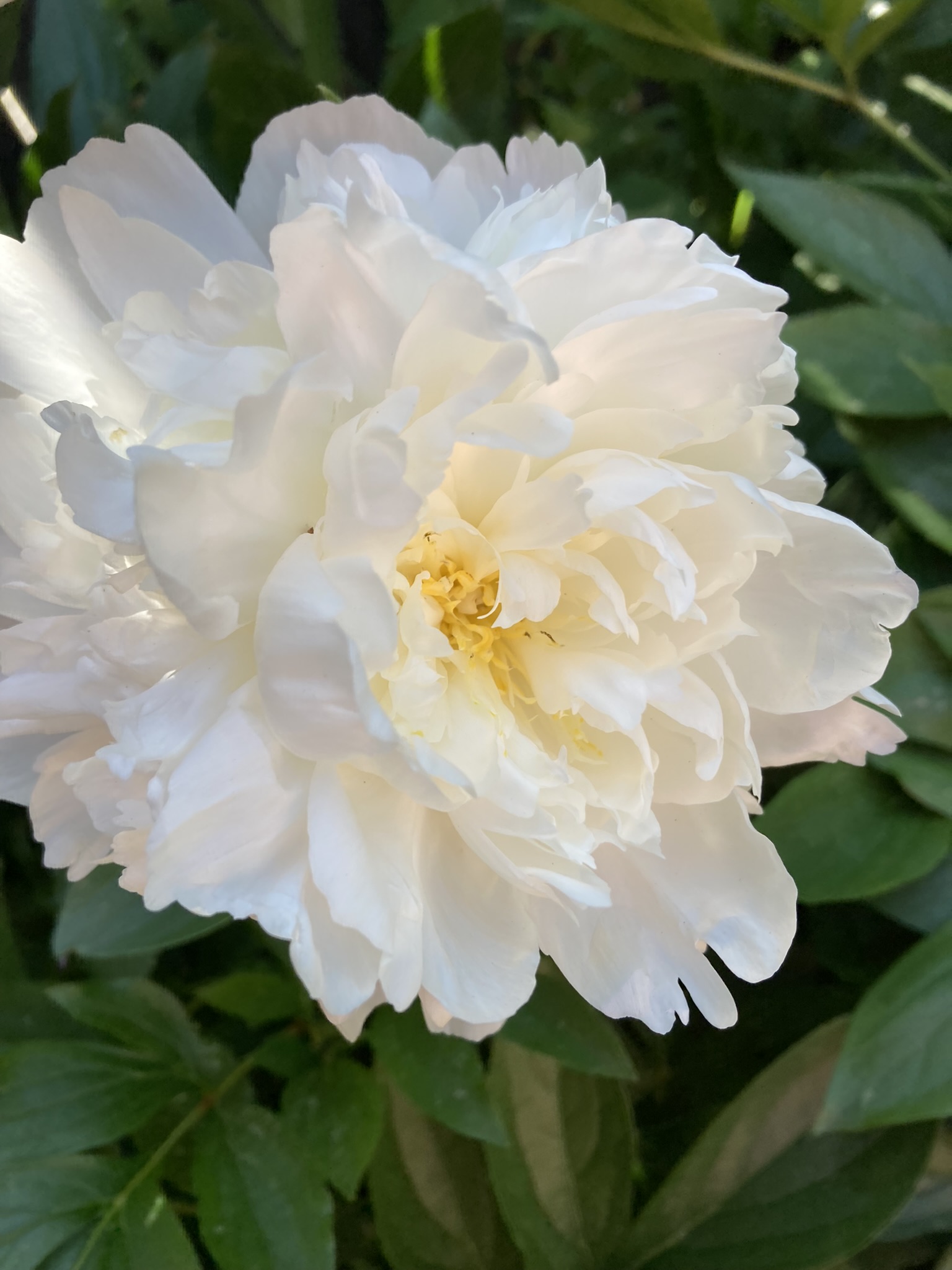
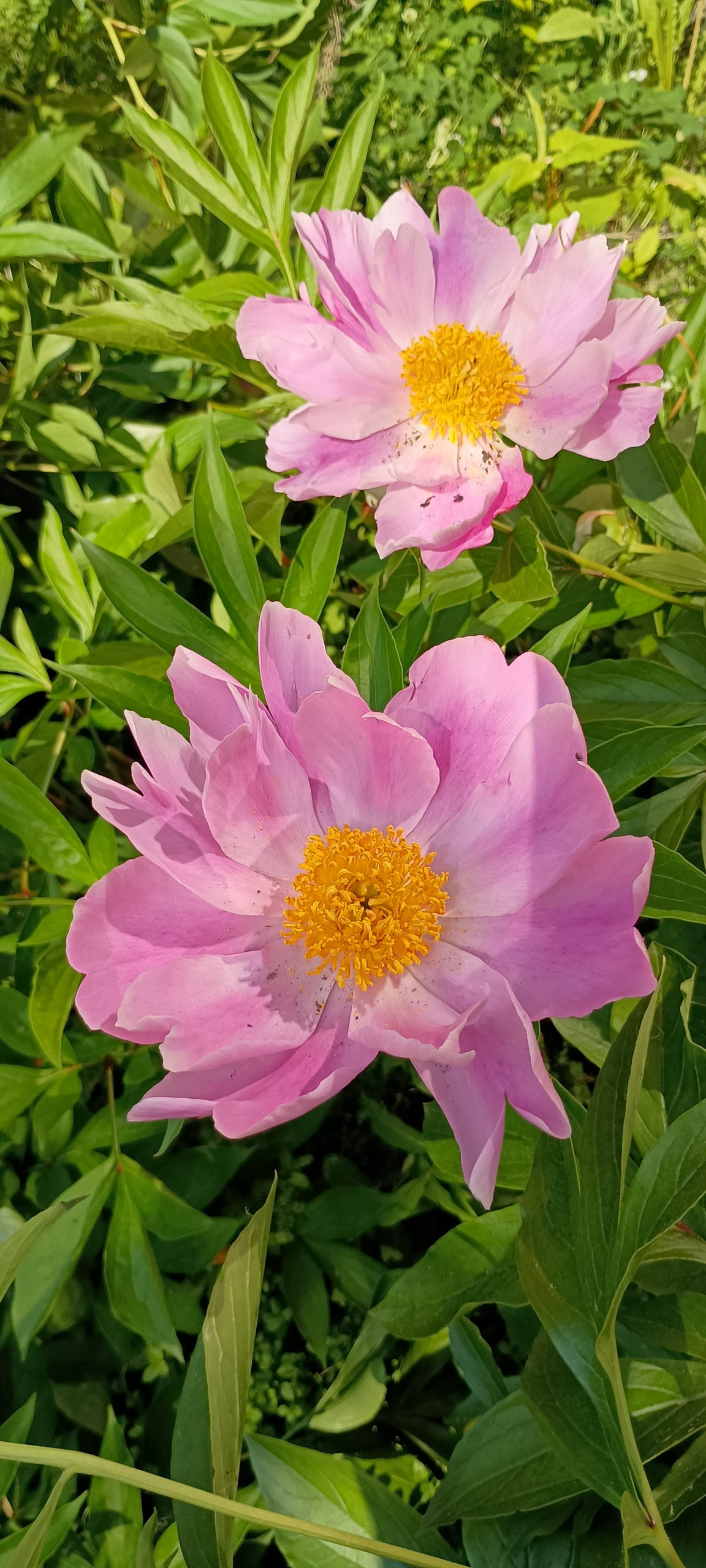
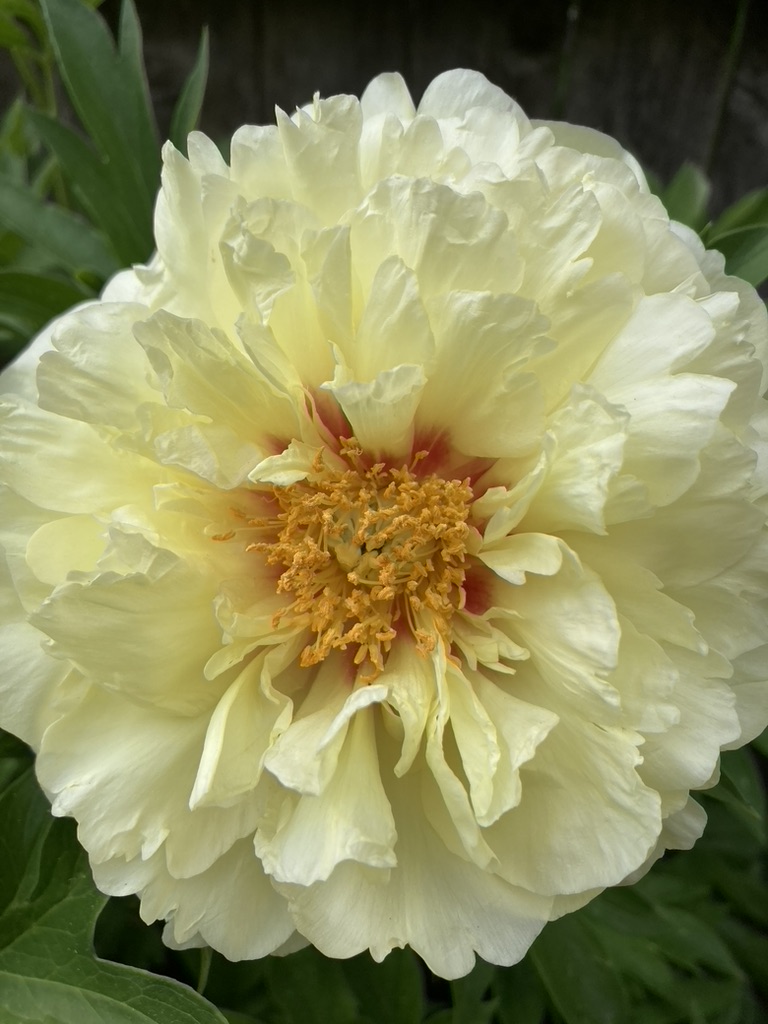
    Here are some peonies that I have been growing. None of these are the specific variety we use in Chinese herbal medicine. I’m working on getting the medicinal varieties next.

    White Peony root – Bai Shao – Paeoniae Lactiflorae Alba Radix

    sour, bitter, mildly cold

    enters Liver, Spleen channels

    Bai Shao nourishes and cools blood, softens the Liver, extinguishes wind and relieves muscle cramps and pain – especially when used with Gan Cao – licorice. Bai Shao is in the Tonify Blood category.

    Bai Shao’s sour flavor restrains the Liver, anchoring the blood and preventing the yang from floating upwards. It is therefore used in formulas that have a calming effect and can be helpful with palpitations, anxiety or insomnia.

    It harmonizes the nutritive Qi and is used together with Cinnamon Twig – Gui Zhi – to harmonize the surface / defensive Qi (aka immune system).

    Red Peony root – Chi Shao – Paeoniae Radix Rubra

    bitter, sour, slightly cold

    enters Liver, Spleen channels

    Chi Shao is bitter and therefore somewhat draining, and it is in the Regulate the Blood category. It invigorates blood, expels stagnation and stops pain. Like it’s white cousin, it is also nourishing to the Liver blood, but clears more heat from the blood.

    Tree Peony root – Mu Dan Pi – Moutan Radicis Cortex

    acrid, bitter, slightly cold

    enters Heart, Liver, Kidney

    I love the smell of Mu Dan Pi.

    Mu Dan Pi is in the Clear Heat category and is often used with Sheng Di Huang – fresh rehmannia to clear heat from the blood. It also gently invigorates the blood to disperse stagnation. When used with Chi Shao – red peony – the invigorating properties are enhanced. 

    Tree Peonies have a woody stem that doesn’t die back every year. It’s the bark that is used medicinally.

    I think this one is actually Peaonia veitchii even though when I bought it said it was a tree peony. Let’s see if I can get a real one for next spring.

    Stunning, right?

  • Liver Cleanse by Gaia Herbs’

    Spring is the season of the liver and gallbladder, and of growth and transformation, the season when life is exploding everywhere around us. But that rising, expansive energy can get stuck and lead to stagnation symptoms such as irritability, frustration, explosive anger, tight shoulders and neck, headaches, and PMS.

    When in balance, the liver gives us the capacity for vision, planning, flexibility, and assertiveness. Exercise is a great way to keep your qi moving and and your liver energy at its best. Acupuncture, zero balancing and herbal medicine can also help.

    While not a classical Chinese formula, Gaia Herbs’ Liver Cleanse, with milk thistle, turmeric, dandelion, and burdock, as well as other liver supportive herbs, can help free that stagnation. It encourages the movement of Liver Qi, supports both phases of liver detoxification, helping to fully clear toxins and stimulating bile production and release.

    Find this fantastic Liver Cleanse supplement in our online store!

  • Immune Booster – Cinnamon Twig Tea

    Cinnamon Twig Formula is a very widely used classic formula, and a formula that I talk about a lot. It is gentle and flavorful, and is useful for the very initial stages of a cold or flu – wind cold invasion – with mild symptoms such as sneezing, aversion to cold and wind, mild sweating, feeling slightly feverish, lack of thirst or headache. I find it to be helpful for 75-80% of my patients to treat the earliest stages an exterior condition.

    I have Cinnamon Twig Formula – Immune Booster – in ready-to-go-to-your-medicine-cabinet jars available at my office. These concentrated granules are easy to use – just add hot water and stir and you have a lovely warm cinnamon twig tea.

    Cinnamon Twig formula is not just for colds with sneezing, it can be used as a base formula for many conditions, including emotional vulnerability, palpitations, abdominal pain, joint pain, cold hands and feet, hot flashes, when the pattern fits.

    The cinnamon twig type often has an aversion to wind on the neck, is sensitive emotionally and may flush and perspire easily. Words can be winds too, so when our surface qi is not harmonized and able to defend us, words can invade as wind cold and the symptoms could be emotional or involve palpitations. Of course there are many formulas to treat emotional symptoms and palpitations, so pattern differentiation is required.

    Most of the herbs in the formula help the digestion (fresh ginger, dates, licorice, and also cinnamon twig and white peony root), while a couple harmonize the surface (cinnamon twig and white peony root). It’s made up of mostly food type herbs, and is pretty yummy for a Chinese medicine formula. If you find it is easy to catch a cold after being exposed to cold, try this, it is pretty yummy with honey or mixed into your oatmeal. We get our Qi from our digestion – when we have plenty of Qi, we have enough to send to our surface. Therefore nourishing the middle (digestion) helps harmonize the surface.

    Functions: Treats exterior wind cold, harmonizes the nutritive and defensive Qi & nourishes the middle.

    To release the exterior: prepare the herbs with hot water and drink, followed by a warm bowl of porridge or soup. Wrap yourself up with some blankets until you have a slight sweat. At that time, change into warm dry clothes and discontinue the herbs.

    Once the cold/flu goes deeper and there are symptoms such as sore throat, thirst, high fever, cough, different formulas are appropriate. Discontinue the use of cinnamon twig when symptoms progress beyond the sniffles and early symptoms avoid.

    I have Cinnamon Twig Formula in ready-to-go-to-your-medicine-cabinet jars available at my office. The concentrated granules are easy to use – just add hot water and stir and you have a lovely warming tea.

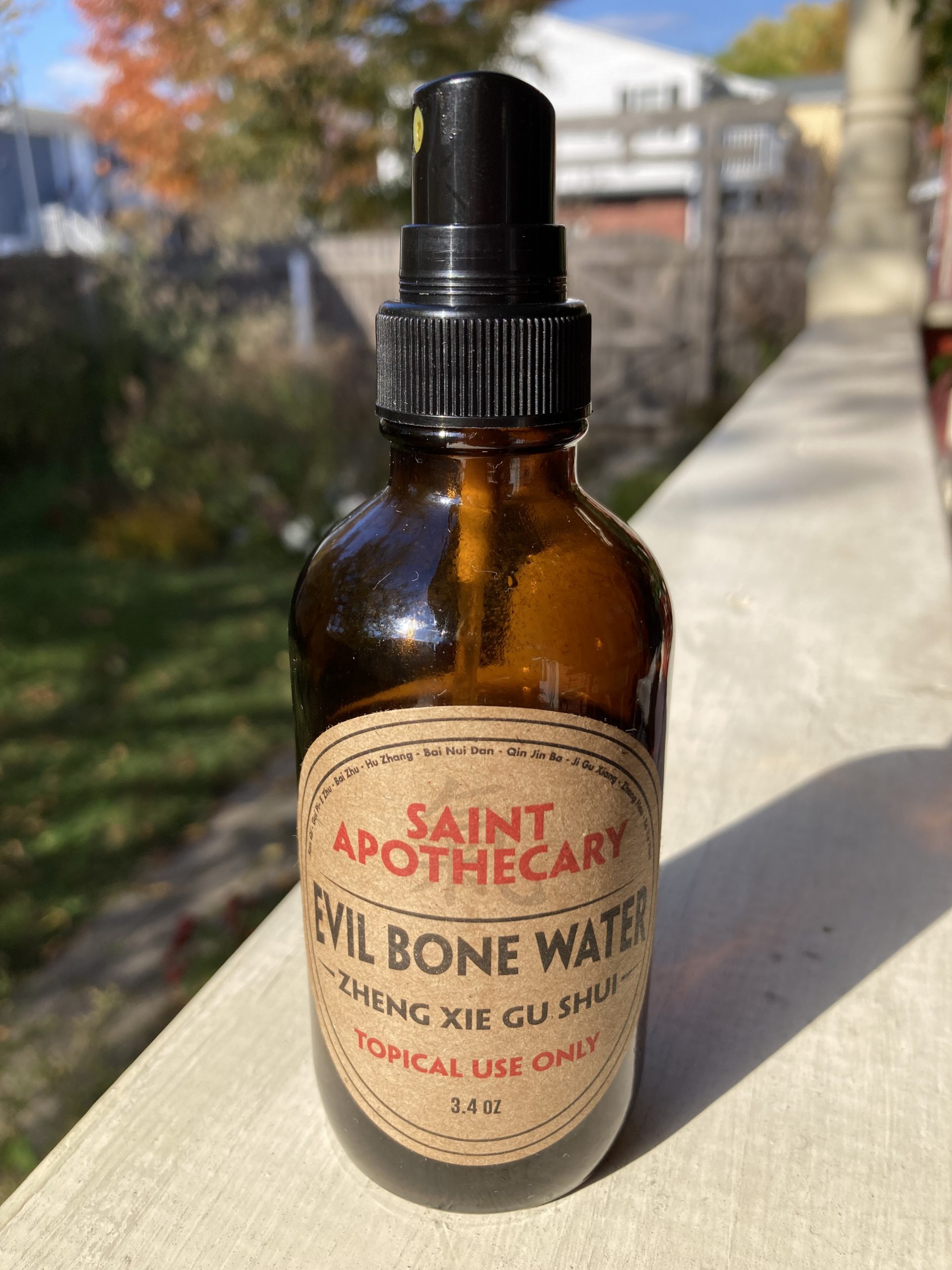
  • EVIL BONE WATER

    Saint Apothecary

    I’d like to introduce you to a new topical product that is available in my office. My clients are loving it.

    This topical liniment was inspired by a 500 year old Chinese herbal liniment, Zheng Gu Shui. It’s main purpose is to relieve pain, reduce inflammation, and promote healing. It is used for sports injuries, joint pain, spinal pain, muscle and ligament pain, bruising, sprains, broken bones, cuts and insect bites, skin conditions, infections, etc.

    Zheng Gu Shui is a well-known Chinese liniment but I’ve not been confident in the ingredients, especially with the bright red color. I’m not into applying Red #40 onto my skin or yours. I was so excited when a colleague told me about Evil Bone Water. I was like, “What? Are you calling herbal decoctions Evil?” It turns out that an acupuncturist in Georgia (the state) makes a Zheng Gu Shui that I can stand behind.

    3.4 oz bottle $40

    Ingredients:

    Zhang Nao Natural Camphor

    Bo He Nao Menthol

    San Qi Pseudoginseng

    Ji Gu Xiang

    Gui Pi Cinnamon Bark

    E Zhu Rhizoma curcumae

    Bai Zhi Angelica dahurica

    Qian Jin Ba Philippine Flemingia Root

    Hu Zhang Japanese Knotweed Root

    190 Everclear

    Instructions:

    Spray on or rub into apply to area of pain and allow to dry daily 1-3x.

  • The Magical Mystery Soar part 3 – Free and Easy Wanderer

    Yang naturally sprouts upward in the spring and that upward flow can get blocked creating stagnation. Help it flow smoothly by moving your body, being outside in nature and getting your creative juices flowing.

    Wood is the element related to spring and which is the beginning of the new cycle of life when yang emerges. This is the year of the yang wood dragon and the dragon’s natural is inherently earth. So wood and earth are themes this season, specifically yang wood and yang earth.

    Acupuncture is awesome this time of year to balance the wood and earth energies. Read on to learn about three wood – earth Chinese herbal formulas.

    Yang Earth & Yang Wood
     
    When wood energy is constrained (aka Liver Qi stagnation) it can build up and eventually over act on the earth element.
     
    Earth is connected to the digestive system, which can be affected by emotion – notably stress/anger/frustration, which corresponds to wood element stasis. If earth is weak to start with, it will be more susceptible to attack by wood.
     
    Earth = Spleen / Stomach          Wood = Liver / Gall Bladder    
     
    Yang earth = St channel          Yang wood = GB channel          

    Keeping emotions inside also leads to constraint of wood energy, which can build up inside until it bursts. So don’t do that!

    Three Wood-Earth Formulas

    The wood-earth combination puts me in mind of a well-known modern Chinese herbal formula called Free and Easy Wanderer. Just like it sounds like, the formula keeps things moving smoothly. It’s based on the next classical formula.

    Free and Easy Wanderer

    Chai Hu – Bupleurum

    Dang Gui – Angelica Sinensis

    Bai Shao – White Peony Root

    Bai Zhu – White Atractylodes

    Fu Ling – Poria

    Zhi Gan Cao – Honey Fried Licorice

    Gan Jiang – Dried Ginger

    Bo He – Mint

    For the pattern of Wood overacting on Earth, or in TCM terms Liver Qi stagnation and Spleen Qi deficiency with dampness and blood deficiency.

    Minor Bupleurum is a classical wood – earth formula. It is even more focused than Free & Easy Wanderer on wood and earth. It has both Bupleurum and Scutellaria to treat the wood element, ie course the Liver Qi (Shaoyang). It also has several herbs for the earth element (Taiyin) – Ginseng or Codonospsis, licorice, dates, ginger.

    Minor Bupleurum

    Chai Hu – Bupleurum

    Huang Qin – Scutellaria

    Ban Xia – Pinellia       

    Ren Shen – Ginseng

    Sheng Jiang – Fresh Ginger

    Da Zao – Dates

    Gan Cao – Licorice

    Excess wood constraint and xu wood constraint

    Wood constraint (liver qi stagnation) can come from chronic stress which is ubiquitous in our modern world, and is commonly seen in the clinic. Qi stagnation often presents as physical pain or emotion unease or irritability. People with wood constraint may notice that they need to exercise a lot to feel better, since exercising moves the qi and blood.

    Wood constraint can come from taxation – this would be a deficient wood constraint pattern and would imply/indicate blood deficiency. It may come with cold.

    Wu Mei Wan is a classical wood – earth formula for a deficiency wood pattern with major stagnation in the earth. In this pattern the yang cannot descend normally and instead shoots upward as in headaches, vomiting, insomnia with digestive symptoms and cold hands and feet.

    The main ingredient is a prepared sour dried plum (Wu Mei) which gives moist nourishment to the liver blood (wood) so that the holding can relax and function returns to normal.

    Nutrition and Lifestyle recommendations for Spring

    Regular movement/exercise – 30 min 3-4 x weekly – don’t over do it – include strength training

    Sour is the flavor and green is the color of wood. Eat sour foods. Eat greens.

    Protect neck from cold and wind. Don’t take off your jacket to early this spring.

    Spend time in nature. Green is the color of wood. Hiking, walking, forest bathing.

    Earth grounding. Meditations on mother earth.

    Let it go exercise – imagine a tube to the center of the earth. Drop excess thoughts and stuff down the tube to recycle back to the earth.


    This is part three of the Magical Mystery Soar 2024 series.


    If you are not on my mailing list and would like to be, email me or subscribe here.

    If you would like to be removed from this mailing list unsubscribe here.

  • Moxa Season and Moxa Heat Packs

    As we head towards winter, one way to strengthen our Qi is with the use of moxibustion, which is the burning of the herb Artemesia vulgaris ( mugwort Ai Ye). November is fall moxa season, during which time moxa can penetrate more deeply than usual into the “Life Gate” or Ming Men (aka Lower Dan Tien or the lower belly) because it is open during this time. This is great for preventing illness by strengthening your system. February is winter moxa season, another time in which we get extra benefits from moxa.

    Moxa strengthens the constitution and immune system, builds Qi and Blood, increases the energy and circulation of the whole body, can help pain due to cold and damp, and can soften lumps.

    Plus moxa feels great. In addition to the traditional way of applying moxa, which is to light a moxa stick or cone and warm the skin at particular acupuncture points, I have been using moxa heat packs. Moxa heat packs are activated by shaking and squeezing the pack – once it is warmed up you can apply it to your low back or belly, or other areas – when you are done you put it in a jar with a lid. The next day you can take it out and reactivate it. You can get about 15-20 hours out of these – and once they no longer self-activate, you can heat them in a microwave.

    My clients are loving these. I just ordered a few more boxes, so let me know if you want one (or two). They are $4 each – or you can buy yourself a box of 10 online.

    I also do Japanese moxa treatments which involve treating acu-points with little moxa cones. I recommend this for clients who haven’t regained their energy back after being sick, or for those who have chronically low Qi or fatigue. Usually I do it as an add-on to acupuncture or Zero Balancing sessions for $20. If this interests you, let me know and we can talk about if it is an appropriate for you.

  • Belamcanda chinensis, She Gan

    aka Leonard Lily and Blackberry Lily

    Belamcanda is bitter & cold and enters the Lungs. It clears heat and transforms phlegm. It is used for coughs and wheezing with phlegm obstruction, and for sore throat with swelling and painful obstruction in the throat. It breaks up clumps to drain heat. This is only used short term for acute conditions.

    I love to grow it – it’s a gorgeous spunky little lily. Luckily I haven’t had to use it much, as it is for pretty serious conditions and there are lots of other herbs for cough, such as aster, which is currently just starting to bloom in late summer.

  • Magnolia Flower – Xin Yi Hua

    IMG_7645Magnolia Flower bud – Xin Yi Hua – Flos Magnoliae Liliflorae

    properties: acrid, slightly warm

    channels entered: Lung

    Expels wind and opens the nasal passages: used for nasal obstruction or congestion, sinus problems, and related headaches.

    My Magnolia flowers just opened up today!

    Note: there are over 100 Magnolia varieties, and many don’t grow this far north in Vermont. This is not the main species uses in Chinese medicine, but a cross between Magnolia liliiflora ‘Reflorescens’ and Magnolia stellata ‘Waterlily.’ It’s as close as I could get for now.

    Xin Yin Hua is the fuzzy bud. The bark, Hou Po, and the flower, Hou Po Hua, of the Magnolia officinalis are also used in Chinese Medicine.