2026 Year of the Fire Horse

Yang Fire Horse – begins February 17, 2026

Are you up for an adventure this year? It’s the year of the yang fire horse… the Wild Stallion. Are you ready for a ride? Will you enjoy being in the saddle? Where are you headed?

Two years ago was another type of ride, the rollercoaster of the baby dragon (yang wood) – expansive, bright, inquisitive and definitely mischievous. Last year was the baby green snake (yin wood) – quiet, inwardly focused, darker and deeper.

This yang fire horse year is very yang – outward, active, expansive and, with all the fire, potentially explosive.

Horses symbolize freedom, strength and happiness and are intuitive, creative, dynamic, expressive, and curious. We’ve got plenty to work with this year.

We can channel the powerful creative yang energy in a wonderful way – harness it and go in the direction of your choosing. Think about slow burning embers rather than wildfire. Stay centered and grounded to prevent scattered energy, and persevere. Step by step.

CHANGE

Due to the fiery nature of the year, our shen (spirit) is emphasized, giving us a stronger ability to connect with source/God/universe/Dao/the field, making it easier to tune into our abundance and feel whole.

Be fully presently, face things head on and feel what you are feeling. You can let go of that which doesn’t serve you. Move on from regrets, grief, anger. Let go and you will be lighter. Don’t try too hard – it is not about perfection.

Fire is ever changing and flowing. Be prepared to change this year, gradually. Connect inward and express outward. Become more yourself, your authentic self – become the ultimate you. You can’t do it wrong.

Be yourself, your true self = be in the flow. That’s where life is.

LOVE

The horse is passionate and sociable. Enjoy your friends and family. Have fun. Experience joy. Romance your partner. Flirt. Be playful. Be thoughtful. Meet the love of your life.

Love yourself, love others, love your life. Love it!

Feel love in your heart for no reason at all. Feel it!

2026 is a time for inspiration and innovation. For love and joy. For wild adventures. For creative ideas. Deeply connect to yourself, your intuition, your gut. You know the way. We are always creating and becoming the present and future. Be you. Be inspired.

Be free and run like a wild stallion…

Posted in Newsletter | Tagged | Leave a comment

Keystone species are key to gut health

Last summer we posted a couple articles about the microbiome and Biome Rx, a stool test offered by Microbiome Labs. Stool tests can be useful for evaluating the state of our individual gut microbiome, and the Biome Rx stool test specifically analyzes:

  • Keystone species
  • Dysbiosis ratios and pathogens
  • Bile salts (bile acids)

Keystone Species

A Keystone species is a species that exerts a large, stabilizing influence throughout an ecological community, despite its relatively small numerical abundance.

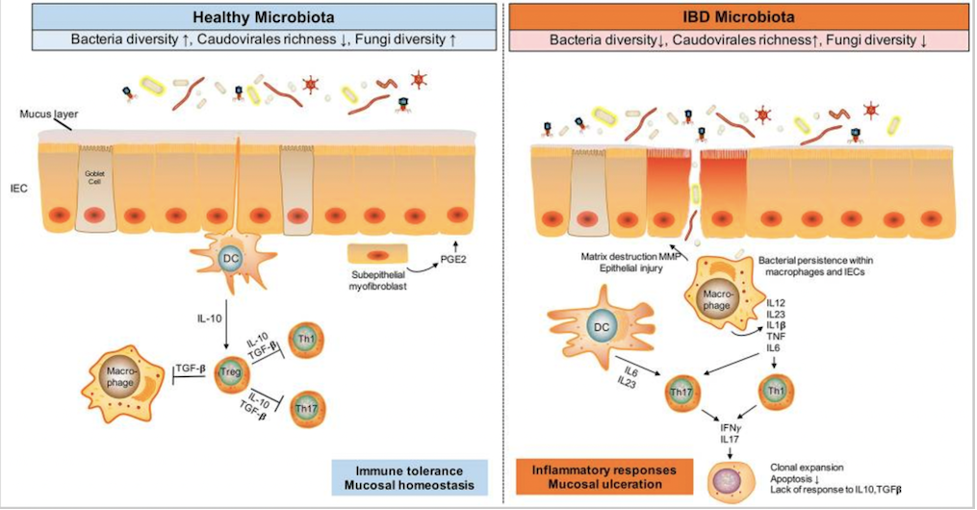
In the context of the microbiome, keystone species are those that play a crucial role in maintaining the balance and health of the gut ecosystem. These key microbes help regulate microbial diversity, support gut barrier function, and contribute to important metabolic processes, which are essential for overall health. When out of balance, important digestive functions are compromised and inflammatory conditions result.

Dysbiosis Ratios

A diverse microbiome is a healthy microbiome and includes bacteria, protists, and fungi. Many things can negatively impact the diversity of our microbiome, the most common being antibiotic usage, poor diet (especially those high in ultra-processed foods and low in fruits and vegetables), lack of sleep, high stress levels, and a sedentary lifestyle.

Dysbiosis ratios refer to the balance of different types of microorganisms in the gut microbiome. An imbalance, indicated by a higher ratio of harmful bacteria (pathogens) to beneficial ones, can lead to various health issues, including digestive problems and inflammation, the root of a whole host of chronic illnesses.

Bile Salts

Measuring bile salts (acids) is essential for assessing gut microbiome function, diagnosing digestive disorders, and evaluating metabolic health. They act as crucial signaling molecules that regulate metabolism, control gut microbial composition, and influence gut motility, with high levels often indicating diarrhea and low levels indicating constipation.

In our next article, we’ll talk about leaky gut and its connection to the microbiome and our health, and my personal experience with Biome Fx.

If you are interested in some research about this topic, you can check out these two articles:

Posted in Microbiome, Nutritional information, Uncategorized | Tagged | Leave a comment

Zero Balancing I

11-14 December 2025

ZB I is a 25-hour professional, hands-on, body-mind therapy training, taught by Michele Doucette DC at Vermont Acupuncture and Wellness – 161 North Street in Burlington Vermont.

25 CEUs for MT, PT, OT, DC (VT), LAc
Register before October 11 at $595, November 11 at $695, and $795 thereafter. Email Michele directly to get the promo code for early registration.

What is more fun than feeling vital life force moving through your bones?  How does the skeleton relate to the deepest flow of energy and information in the body?  What happens in a patient’s life when they become grounded in the feeling of their unique embodied essence and and begin to live life with presence, ease, and grace?  How do tension patterns in the body form filters trough which people relate to themselves and others?  What are the mechanisms of held trauma and how is it released from the body? How can skilled, conscious touch reach all levels of a person; physical, mental, emotional, and spiritual? How does transformative touch contribute to the evolution of humanity?  Join this joyful, creative, theoretically expansive, and clinically essential class and set things in serious motion in your personal and professional life.

Read More »
Posted in Events, Workshops and Clinics, Zero Balancing | Tagged | Comments closed

All Heal Salve

You may have noticed this unassuming little pot of salve on the shelf in my office. It may not seem like much, but this stuff is amazing! At the end of a walk recently my toes started hurting and I noticed I had an abrasion on one of my toes that was red and sore. I wondered if a tiny pebble got stuck in my shoe that irritated that area, or if it was more about the sultry heat. I was concerned that it was going to effect my future ability to walk and hike, so I found my salve and rubbed it on a few times. It felt better quickly and the redness went away too. I didn’t skip a beat and continued with lots of walking and hiking.

When my son was a toddler he used to get red spots on his inner thighs that I thought were bug bites. After trying various things that didn’t work I realized it was actually folliculitis, the inflammation or infection of hair follicles, the pores in your skin from which hair grows. His skin was getting irritated from urine. I put some All Heal Salve on there and voila. Since then I have recommended this product to several people for folliculitis and have had some happy customers.

All Heal Salve by WiseWays Herbals contains burdock root, chickweed leaf, calendula flower, comfrey leaf, echinacea leaf & flower, plantain leaf, St. John’s wort leaf & flower, and flower and gem essences in a base of olive oil and beeswax. These herbs come together to produce some impressive wound-healing synergy. It can be used on rashes, cold sores, minor cuts, scrapes and bruises, and other skin irritations. It is safe enough to be used on diaper rash and other sensitive body parts, and can be used on pets and horses too!

A great item for the medicine cabinet and it’s only $10.50 for 1 oz.

Posted in Online Store, western botanical medicine | Tagged | Comments closed

HU58 & MegaSporeBiotic

Here are a couple Microbiome Labs probiotic products that I carry in my office: HU58 and MegaSporeBiotic. MegaSpore is Microbiome Labs’ flagship product and HU58 is its little sister. I love this company’s top of the line products.

HU58 is a single-strain probiotic with a concentrated dose of Bacillus subtilis HU58, formulated to support healthy immune function and maintain a healthy balance of intestinal microflora. It is a good probiotic to use in cases of gut infections and elevated ammonia levels. This product is gentler than many other more diverse probiotic supplements and is well tolerated by many people. It’s a good place to begin to restore the gut microbiome and then move to MegaSporeBiotic

MegaSporeBiotic is a probiotic blend of 5 Bacillus spores that have been shown to maintain healthy gut barrier and immune function:

  • Bacillus Licheniformis – Produces proteases that aid protein digestion, Produces full spectrum of B vitamins
  • Bacillus Indicus HU36 – Produces carotenoids: lycopene, astaxanthin, beta-carotene, and lutein, Produces quinols and vitamins
  • Bacillus Subtilis HU58 – Produces nattokinase and vitamin K2, Supports healthy GALT development
  • Bacillus Clausii – Supports immune function
  • Bacillus Coagulans – Produces L+ optical form of lactic acid, Supports immune function

The function of these strains of bacillus is to shift the pH of the gut and crowd out pathogenic bacteria to create space for keystone species.

Both of these products are spore based. The bi-phasic life cycle of the Bacillus spores allows them to remain dormant in harsh environments such as the stomach until they reach more favorable environments like the human gastrointestinal tract.

Once inside the large intestine, these dormant spores can change into their active, vegetative forms and begin colonizing in the gut. MegaSporeBiotic aims to RECONDITION the gut instead of reseeding with probiotic strains that cannot survive digestion or colonize the gut.

Posted in Microbiome, supplements | Comments closed

Stool Testing with BiomeFx

As we’ve been talking about the microbiome, you might be thinking, “how do I know what’s going on in MY gut?” Stool testing is the primary way to analyze the community in your system, and BiomeFx is the testing lab that I use in my office.

BiomeFx is a convenient at-home stool test AND a comprehensive microbiome health assessment tool. It provides us with precise and detailed information about your microbiome’s health, composition, and activities. BiomeFx identifies which microorganisms are in your gut, which are missing, and how their presence (or lack thereof) affects your gut microbiome’s overall health and function. Using BiomeFx test results, we can design a personalized treatment plan that includes diet, lifestyle, and supplement recommendations to restore balance in your gut microbiome and enhance your overall health.

Exposure to specific risk factors can promote an unhealthy balance in your gut microbiome. These include:

  • Recent or frequent antibiotic use
  • Natural antimicrobials, including herbal formulas
  • Special or limited diet
  • Low fiber diet
  • Highly processed food diet
  • Foods and beverages containing artificial sweeteners
  • Stress
  • Poor sleep issues
  • Environmental toxin exposure
  • Smoking
  • Intense athletic training
  • Excessive alcohol use

If you have experienced any of these and have concerns about how this may impact the health of your microbiome, and your health in general, talk to me about getting this test done.

Posted in Microbiome | Comments closed

Microbiome 101

We’ve been hearing a lot in the media about the microbiome, but what is it and why is it so important?

The microbiome is the general term for all of the microscopic organisms: bacteria, viruses, fungi, yeasts, etc; that live in and on the human body. Most often when people are talking about the microbiome, they’re referring to the organisms that live in the gut, but we have different microbiomes on the skin, in the mouth, in the lungs, and in the urogenital tract. The gut microbiome is, however, the most densely populated and best studied.

Why it matters: For years there was a trend to think that all microbes were bad, and to be truly healthy we needed our bodies to be as clean as possible. This is when all of the antibacterial hand soaps, gels, and cleaning products became popular. But as we got cleaner, we saw a rise in illnesses such as allergies, asthma, and autoimmune conditions. The Hygiene Hypothesis suggests that our exposure to microbes early in life is important to the proper development of the immune system and research has shown that the more diverse our microbiome, the healthier we are!

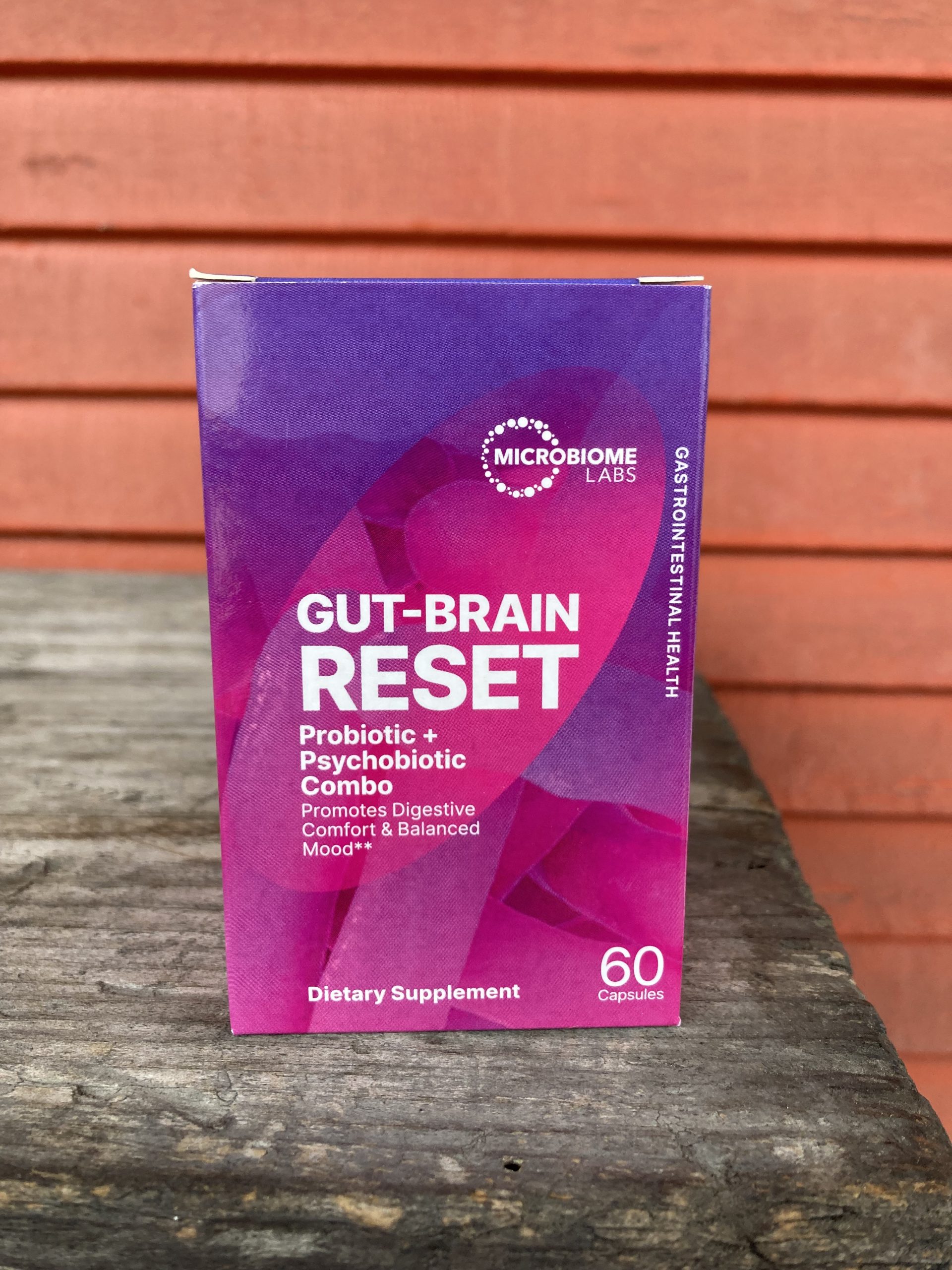
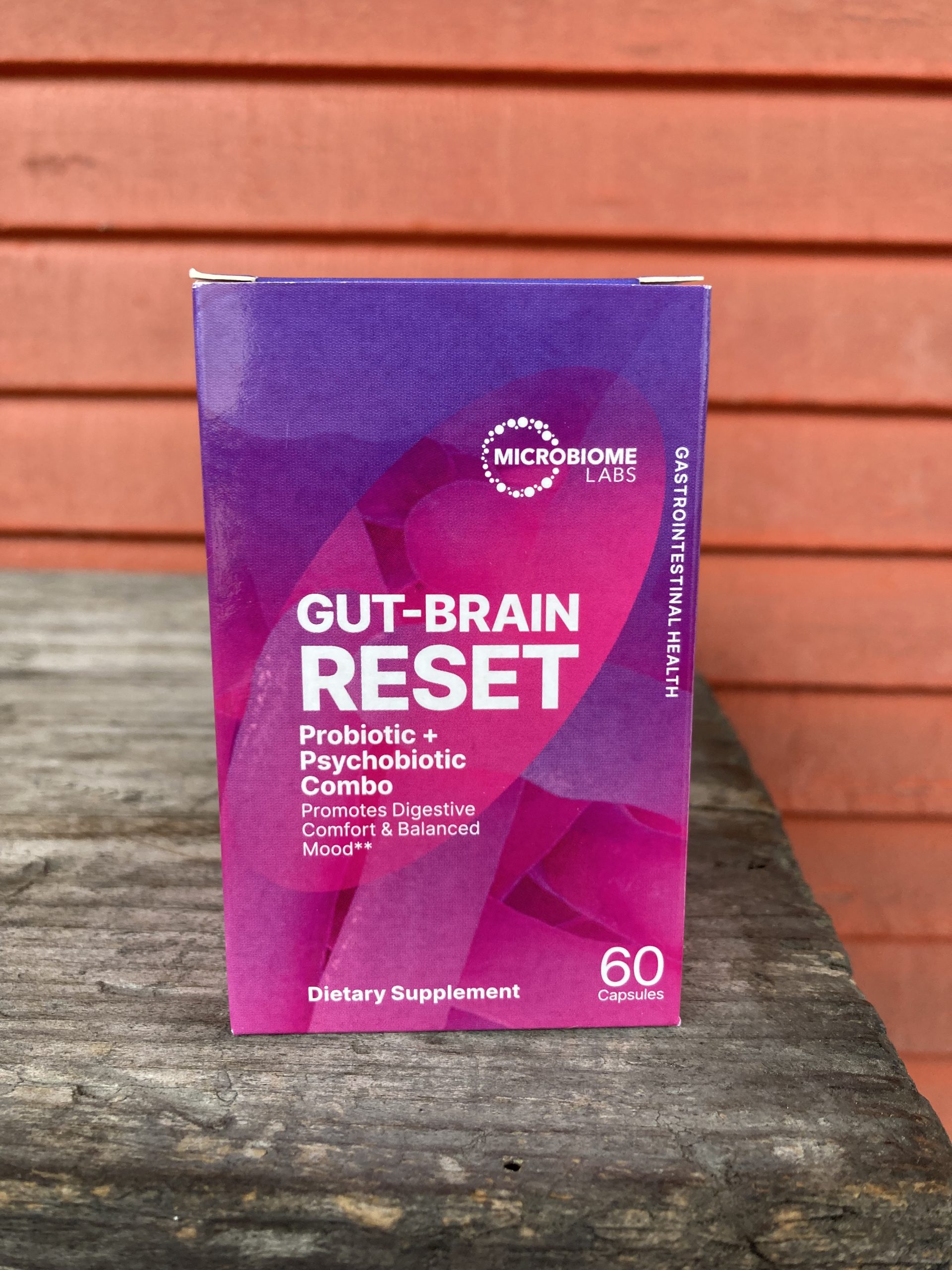
In addition to helping us build a healthy immune system, a diverse and thriving microbiome helps to digest foods that our bodies can’t break down and turn them into nutrients, especially B vitamins and vitamin K, and short-chain fatty acids. (We’ll write about those in the future.) They protect us from harmful microbes by acting as a sort of internal police force. And they play an important role in mood and brain function (also referred to as the gut-brain axis). An imbalance in the gut microbiome can be linked to issues such as obesity, autoimmune diseases, allergies, and mental health conditions.

Now that we know what the microbiome is and what it does, how to we help it to be healthy? There are several things that influence our microbiome development and ongoing health. We inherit our microbes from our mother when we are born, so it’s important to make sure that babies born via C-section get this exposure. Antibiotics should be avoided except when truly necessary because these can indiscriminately kill the bacteria in our bodies, creating imbalance. To strengthen and diversify our microbiome, it’s important to eat a variety of plant foods and avoid excessive amounts of processed foods. Environment and lifestyle also affect our microbiome as stress and pollutants can negatively impact our critters.

When our microbiome has been depleted because of these factors, good ways to help build them back up is to eat lots of fermented foods like kimchee, lacto-fermented pickles, and yogurt, increase our intake of plant foods including veggies, fruits, herbs and spices, and, if necessary, take probiotics and prebiotics. We are now carrying two probiotic products from Microbiome Labs: HU58 and MegaSporeBiotic. Ask us which one is right for you!

Posted in Microbiome | Tagged | Comments closed

Beautiful and medicinal peonies

Peony root is commonly used in Chinese herbal medicine. We use white and red peony, and also the outer bark of the tree peony.

Classically red and white peony were not differentiated; it wasn’t until the sixth century that their distinct therapeutic actions were recognized. Read on to learn more about the different varies we use medicinally.

I’m pretty much obsessed with peonies. I had a bouquet of lovely pink peonies at my wedding 18 years ago. My anniversary is next week!

Here are some peonies that I have been growing. None of these are the specific variety we use in Chinese herbal medicine. I’m working on getting the medicinal varieties next.

White Peony root – Bai Shao – Paeoniae Lactiflorae Alba Radix

sour, bitter, mildly cold

enters Liver, Spleen channels

Bai Shao nourishes and cools blood, softens the Liver, extinguishes wind and relieves muscle cramps and pain – especially when used with Gan Cao – licorice. Bai Shao is in the Tonify Blood category.

Bai Shao’s sour flavor restrains the Liver, anchoring the blood and preventing the yang from floating upwards. It is therefore used in formulas that have a calming effect and can be helpful with palpitations, anxiety or insomnia.

It harmonizes the nutritive Qi and is used together with Cinnamon Twig – Gui Zhi – to harmonize the surface / defensive Qi (aka immune system).

Red Peony root – Chi Shao – Paeoniae Radix Rubra

bitter, sour, slightly cold

enters Liver, Spleen channels

Chi Shao is bitter and therefore somewhat draining, and it is in the Regulate the Blood category. It invigorates blood, expels stagnation and stops pain. Like it’s white cousin, it is also nourishing to the Liver blood, but clears more heat from the blood.

Tree Peony root – Mu Dan Pi – Moutan Radicis Cortex

acrid, bitter, slightly cold

enters Heart, Liver, Kidney

I love the smell of Mu Dan Pi.

Mu Dan Pi is in the Clear Heat category and is often used with Sheng Di Huang – fresh rehmannia to clear heat from the blood. It also gently invigorates the blood to disperse stagnation. When used with Chi Shao – red peony – the invigorating properties are enhanced. 

Tree Peonies have a woody stem that doesn’t die back every year. It’s the bark that is used medicinally.

I think this one is actually Peaonia veitchii even though when I bought it said it was a tree peony. Let’s see if I can get a real one for next spring.

Stunning, right?

Posted in Chinese Herbal Medicine | Tagged | Comments closed

Let your Qi flow with Zero Balancing

Happy Spring. It is here! Buds are popping out everywhere.

This is the time of year when fresh new life sprouts up and out of the ground – from dormancy to action. When the yang energy rises upward in the spring there is a risk that it can get stuck, causing stagnation which can show up as headaches or other pain – or emotionally as in irritability or frustration.

Every spring I recommend moving the body – exercise helps your Qi flow. In addition, herbal medicine, acupuncture and Zero Balancing can be of great help.

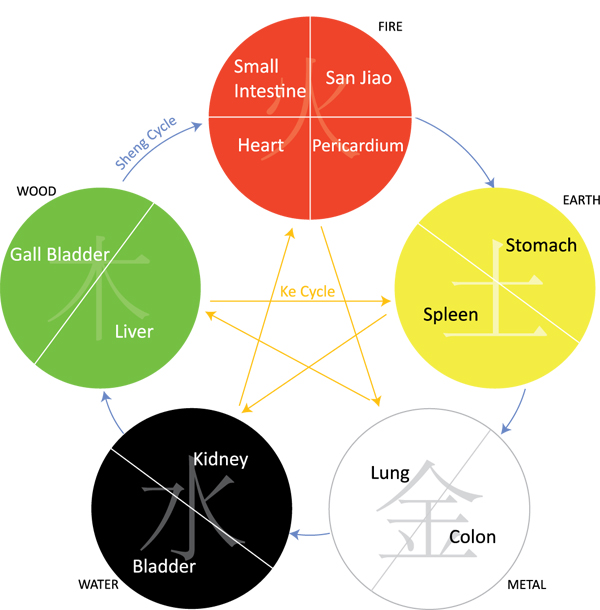
I spent this past weekend hosting and participating in an advanced Zero Balancing class about the Spirit of the 5 Elements. We learned a few new fulcrums and got into touching a deeper level in the body. It was rather profound. I can’t wait to share my new stuff with you.

If you were thinking you need a treatment to help your Qi move more smoothly, but aren’t in the mood for needles – or just want to try something new – come get a Zero Balancing session. SCHEDULE NOW

What the heck is ZB? I sometimes refer to it as structural acupuncture and it is super relaxing. I use my hands rather than needles to balance structure and energy, working primarily with bone and fascia.

It can be used as a stand-alone treatment or in conjunction with acupuncture. For a more detailed dive into what it entails, check out this post I wrote in 2019:

Posted in Uncategorized | Comments closed

Coconut Curry with Chicken Tofu and Vegetables

Through the years many people have asked me for this recipe. I like to spruce up the basic curry with lots of veggies to make it super delicious, but keeping it simple works well. Curry is very flexible, so see what’s in your fridge and use any protein and veggies that you have available. If you have a can of coconut milk, curry paste, chicken or tofu and a few vegetables you’ve got enough to make a curry.

Foundational Ingredients:

  • 1 can full fat unsweetened coconut milk
  • 2-3 Tablespoon curry paste (red or panang)
  • 1 onion, chopped
  • Chicken and/or tofu – about a pound – chopped into 1 inch cubes
  • 1 teaspoon salt

Optional ingredients:

  • 1 red pepper, chopped
  • 1 carrot, sliced thinly on the diagonal
  • 1-2 cups mushrooms – white, shiitake or any variety, sliced or quartered
  • 2 cloves garlic, minced
  • 1-2 Tablespoon lemongrass, minced
  • 1 kaffir lime leaf, julienned
  • 1 Tablespoon curry powder
  • 1 Tablespoon coconut or palm sugar
  • 1-2 cups green beans or broccoli, pre-steamed
  • 1-2 cups kale, cabbage or spinach, chopped
  • 1 teaspoon fish sauce
  • 1-2 cups of broth

Optional Garnishes:

  • Lime
  • Thai basil
  • Cilantro
  • Toasted peanuts or other nuts, chopped
  1. Start steaming any veggies that need it and get some rice going.
  2. Heat 2 Tablespoon of the thick cream from the top of the canned coconut milk and/or 2 Tablespoon coconut oil and curry paste.
  3. Sauté onions in coconut cream until translucent, then add pepper, carrots, mushrooms, garlic, lemongrass, kaffir lime leaf. Mix and let cook a few minutes then add half a can of coconut milk.
  4. Spread chicken and/or tofu evenly over the top of the veg mix, sprinkle with curry powder if desired, sugar, and salt right on the chicken. Let cook for 5 or more minutes, then turn over.
  5. Add the rest the of coconut milk, the rest of the vegetables, fish sauce if using and/or salt to taste. Add water or broth if you want to make it soupier. Cook until the chicken is no longer pink and vegetables are cooked.
  6. Serve over rice or have as a soup. Garnish with lime, fresh herbs or nuts.
Posted in Healthful Eating, Main courses, Recipes | Tagged , , , , | Comments closed